
Produce
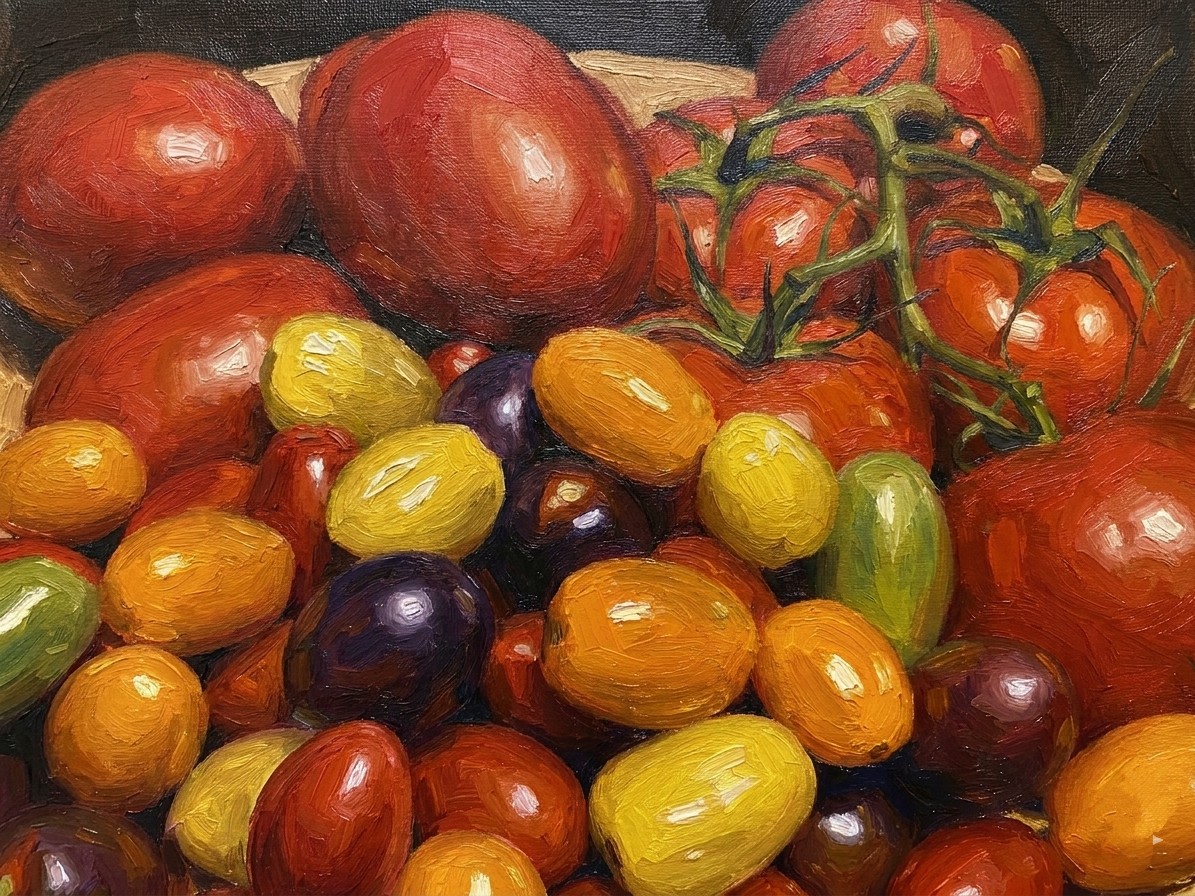
Tomatoes
Sweet, acidic and naturally savoury. Tomatoes are one of the few ingredients that can bring sweetness, freshness, acidity and umami to the same dish.
Short, useful pages on the ingredients you cook with — flavour, buying, storage, cooking uses, and the food theory that makes them work.
Sweet, acidic and naturally savoury. Tomatoes are one of the few ingredients that can bring sweetness, freshness, acidity and umami to the same dish.
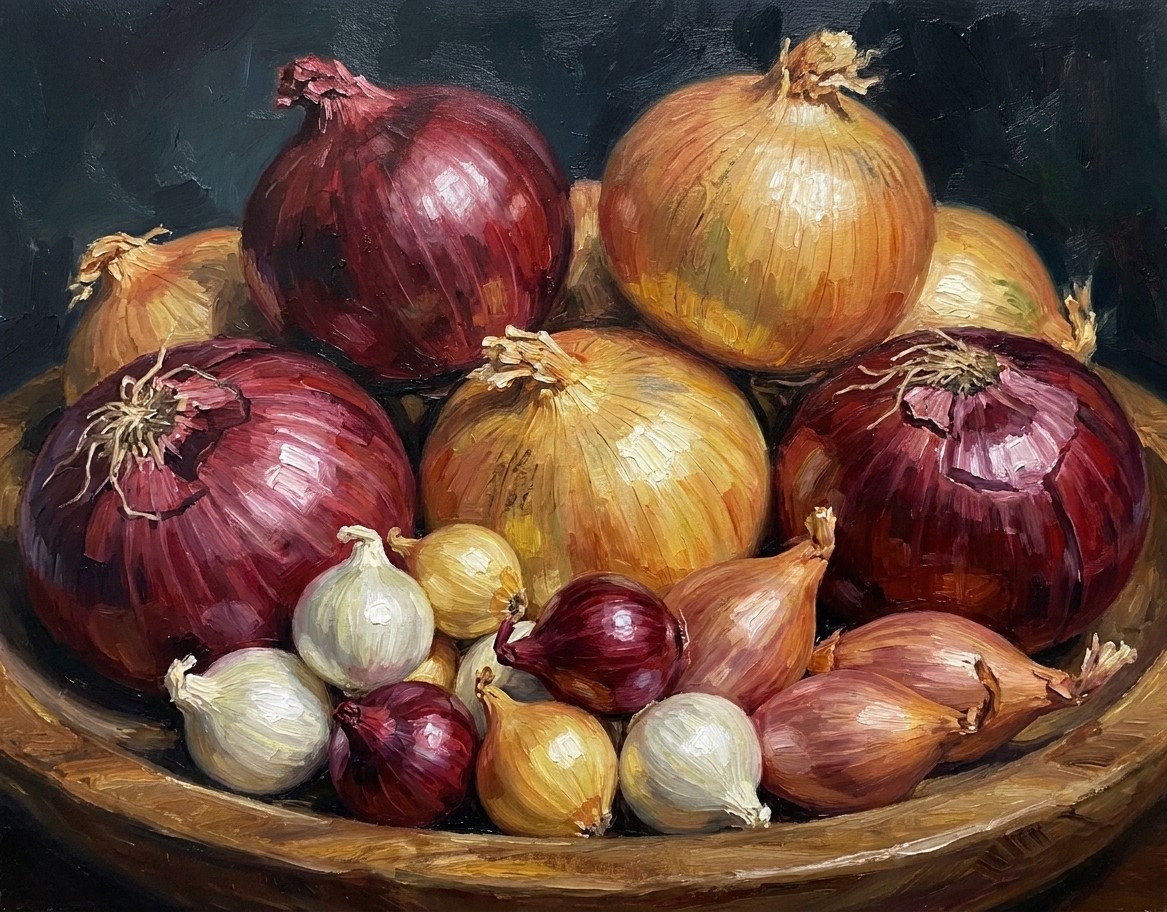
Sharp and pungent when raw. Sweet, rich and savoury when cooked.
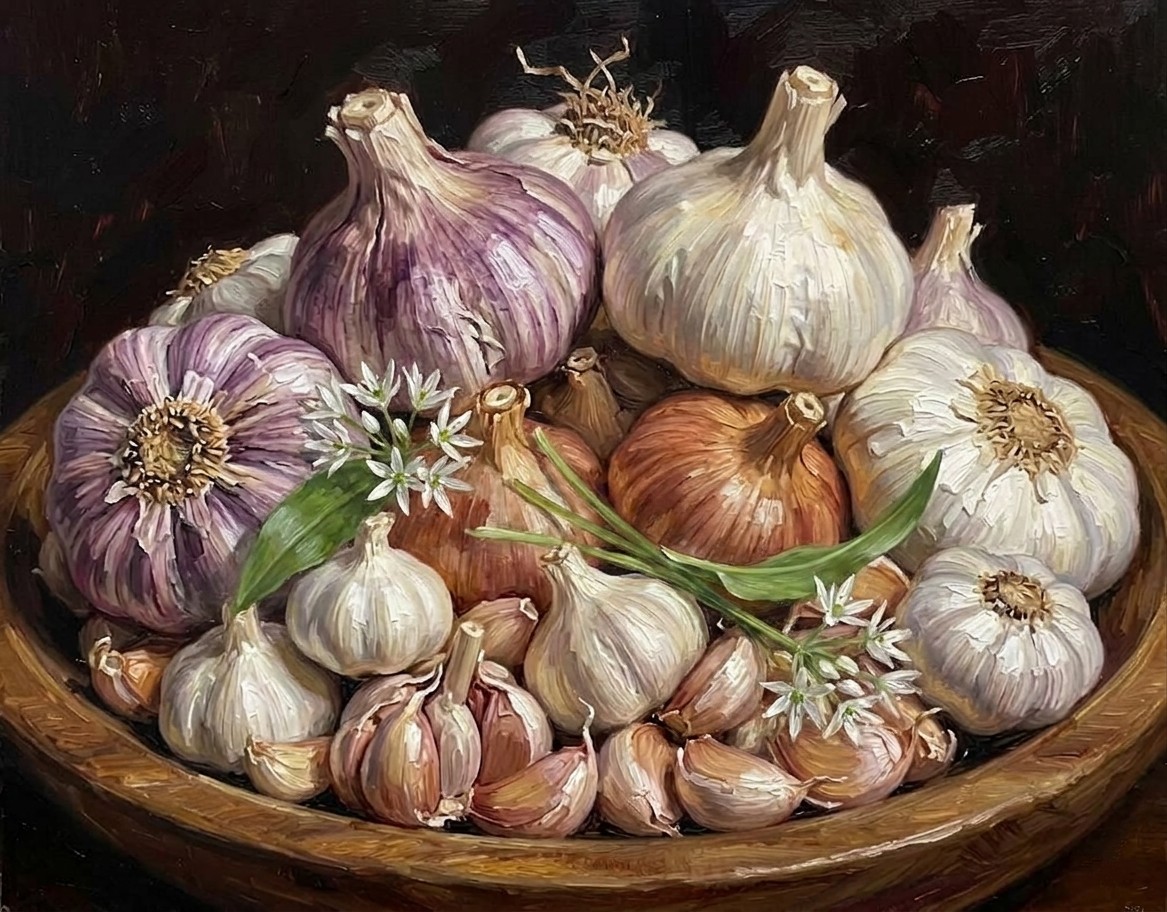
Sharp, spicy and pungent raw. Sweet, nutty and mellow when roasted.
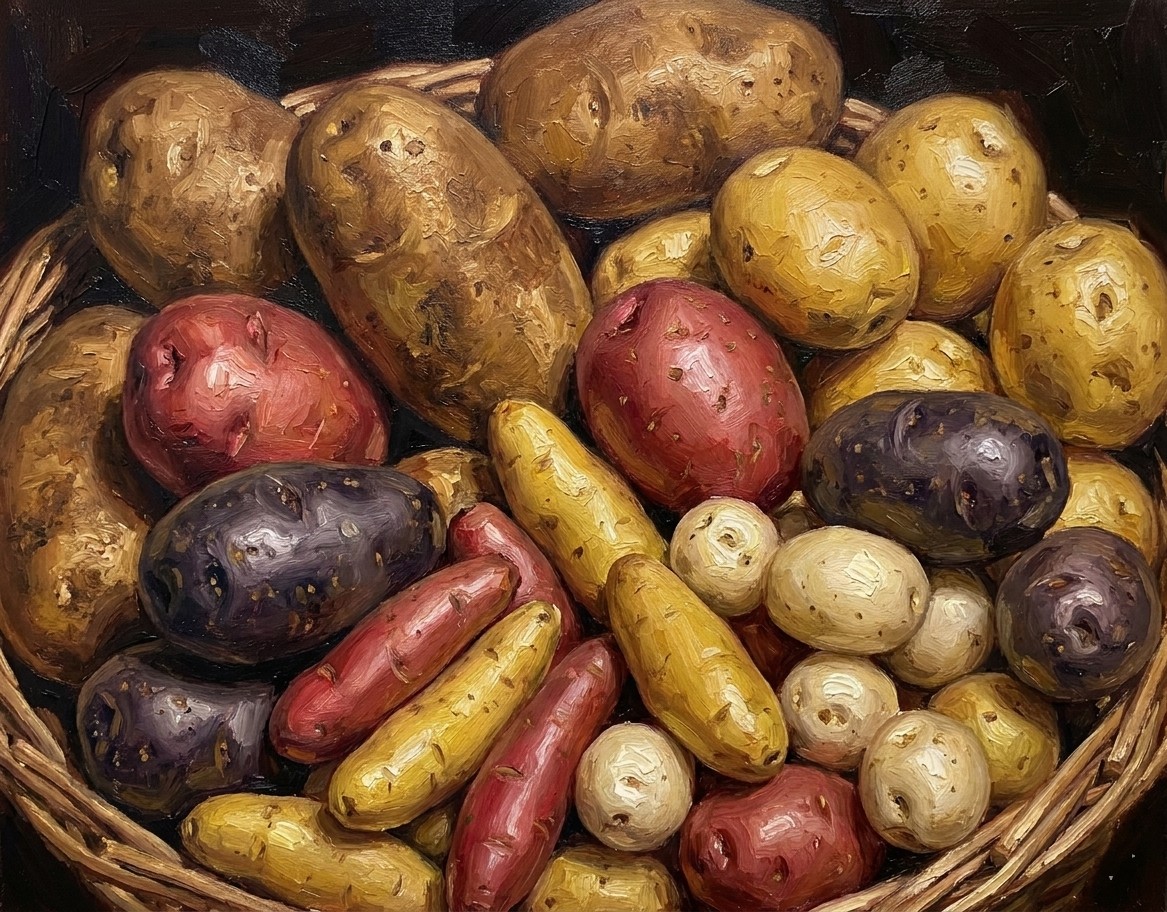
Mild, earthy and starchy with a natural sweetness when roasted.
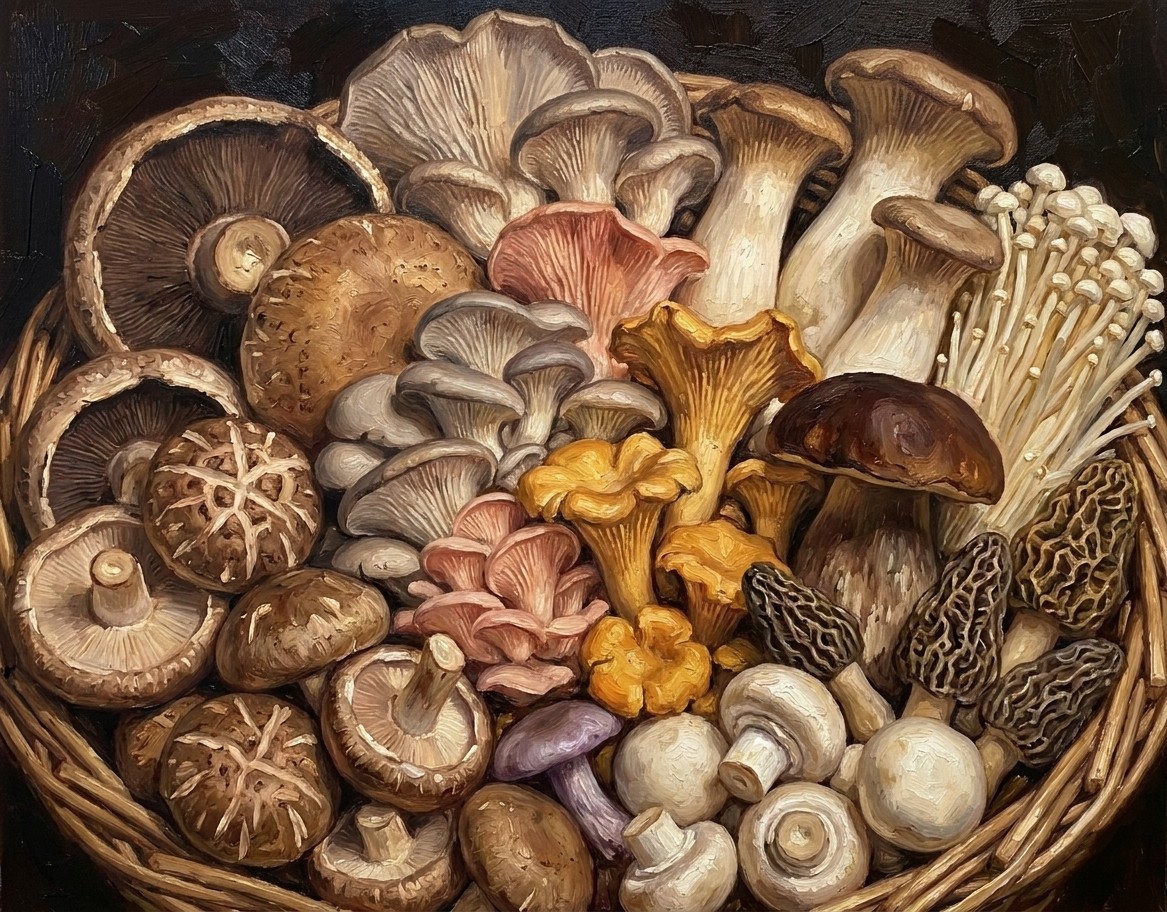
Earthy, savoury and naturally rich in umami.
Earthy, mildly bitter and sweet when cooked properly. It has a sulfurous edge that is balanced by salt and fat.
Earthy, sweet and woody. Carrots have a high natural sugar content that intensifies when heat is applied.
Sweet, crisp, and slightly fruity with a mild vegetal undertone. Green ones are more grassy and slightly bitter, while red ones are significantly sweeter and richer in flavour.
Mild, slightly sweet, and earthy with a faint metallic finish. It has a clean, green taste that takes on the flavours of whatever you cook it with.
Lettuce ranges from mild, sweet and watery to green, earthy and gently bitter, depending on the variety. Iceberg is clean, neutral and all about crunch. Cos, also called romaine, has a firmer rib and greener flavour, while butterhead and oak leaf are softer, sweeter and more delicate.
Raw cabbage is peppery, crisp and bright.
Mild, slightly sweet, and faintly nutty with a subtle cruciferous peppery finish. While it tastes quiet on its own, its porous texture makes it an incredible canvas for bold spices and fats.
Nutty, earthy and slightly bitter. When cooked properly, they develop a deep sweetness through caramelisation that balances their natural mustard-like punch.
Deeply earthy, sweet, and slightly mineral. They have a distinct 'dirt' aroma that balances well with salty fats like feta or acidic dressings. Choose golden or candy-striped varieties if you want a milder, less earthy hit.
Deeply sweet, earthy and nutty. When roasted, the natural sugars intensify into a caramel-like flavour with a smooth, velvety mouthfeel.
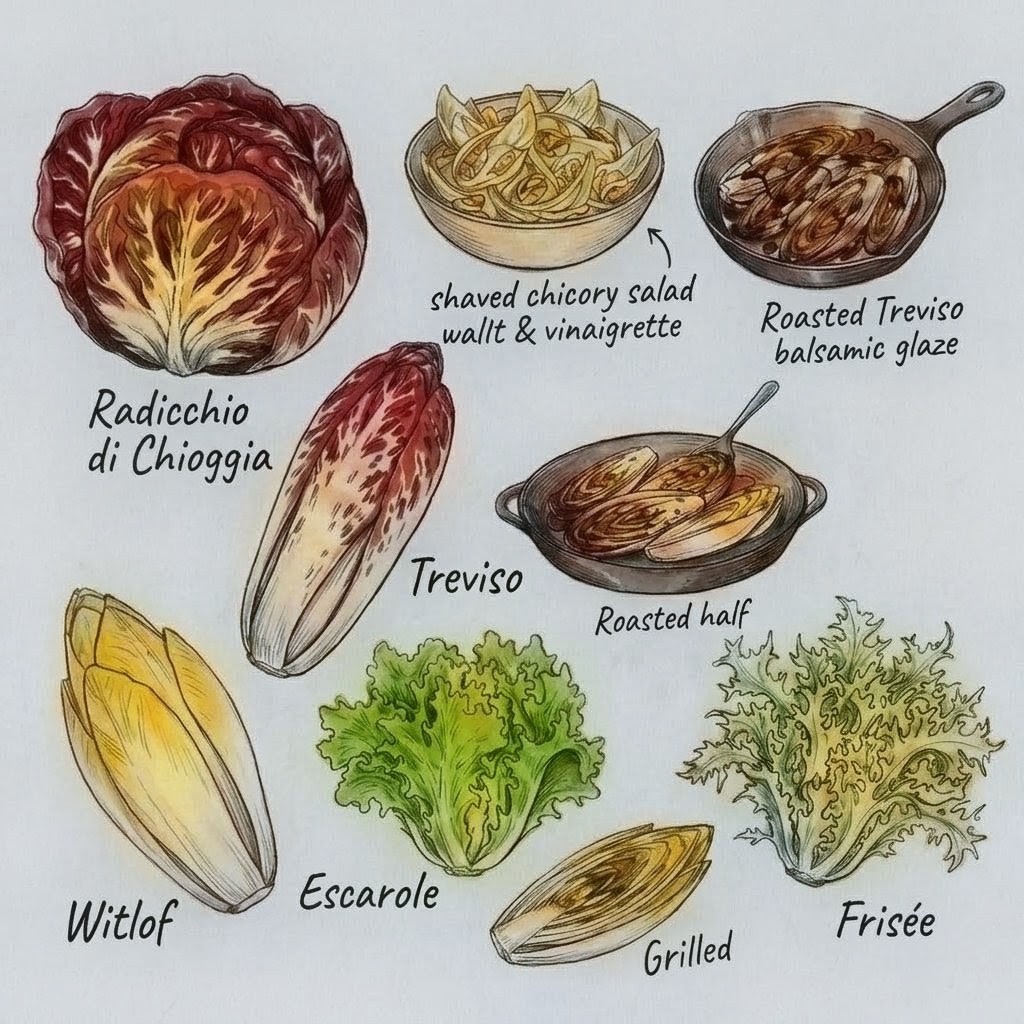
Chicories bring a clean, deliberate bitterness with crisp textures and earthy, nutty flavours.
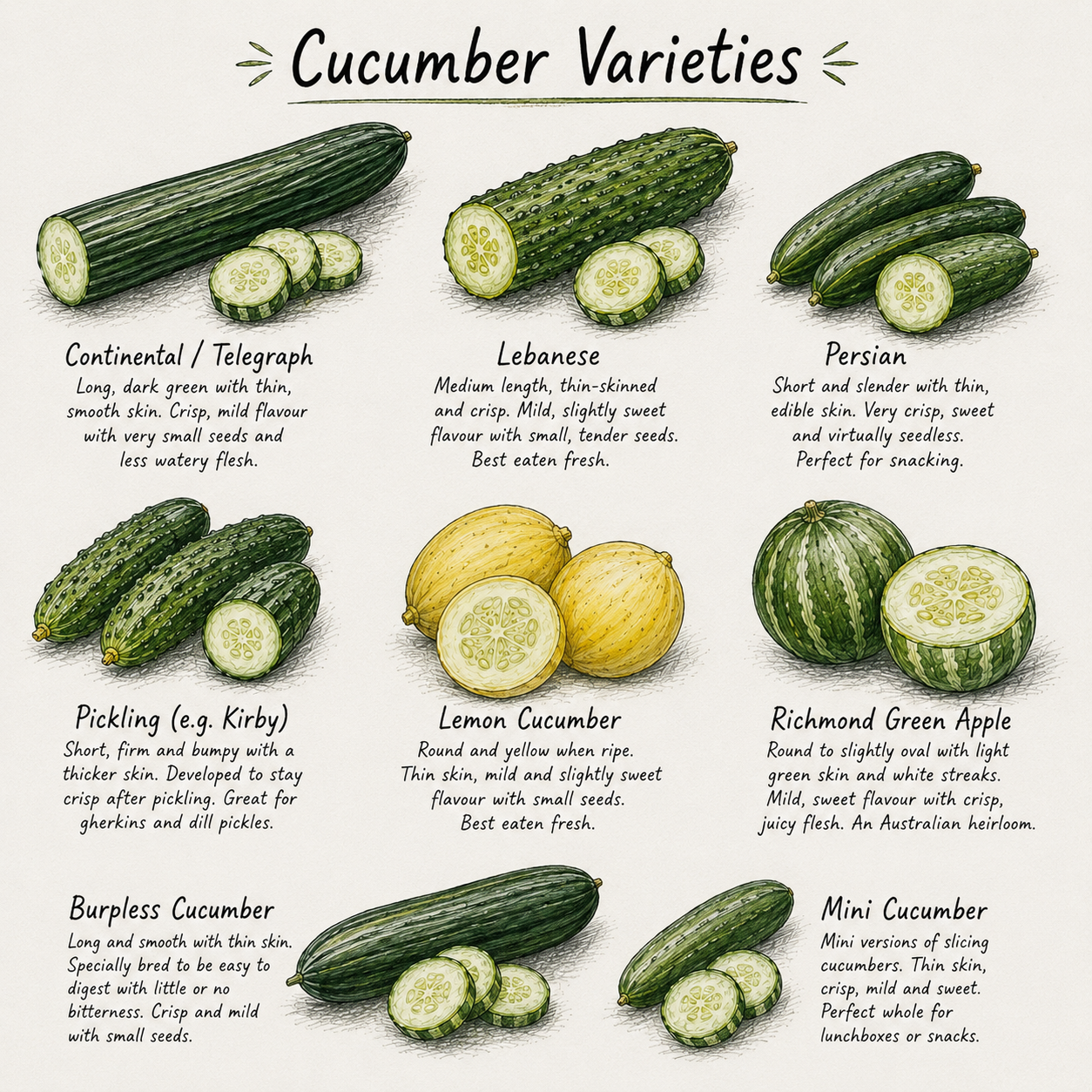
Clean, fresh and mildly sweet with a crisp, juicy crunch. Cucumber is subtle, which is exactly why it works so well with stronger flavours like chilli, citrus, vinegar, herbs and salty dressings.
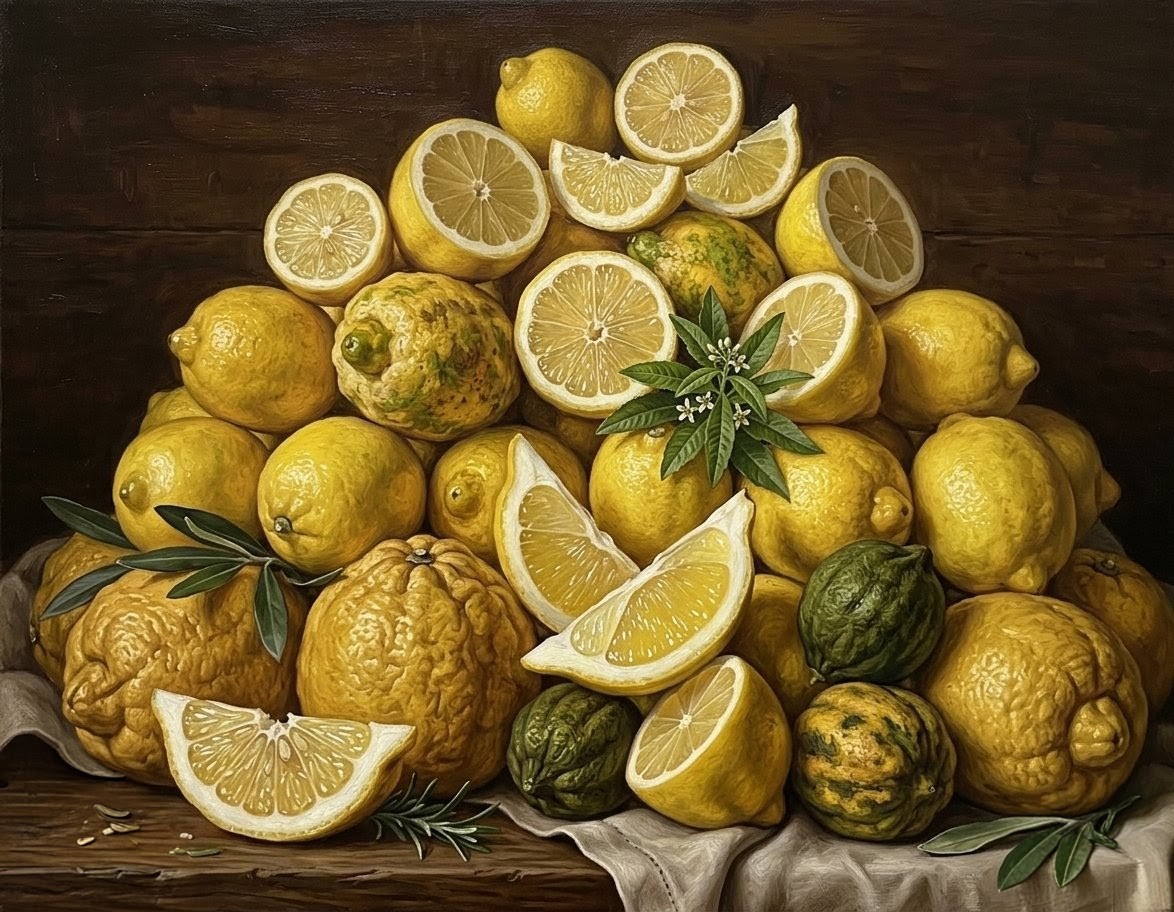
Sharp, acidic and bright. Lemons bring a clean sourness that acts as a natural flavour enhancer for both sweet and savoury dishes.
Sharp, tart and intensely floral.
A balance of sugar and malic acid. Depending on the variety, they range from tart and floral to honey-like and intensely sweet. The skin provides a bitter tannin hit that rounds out the experience.
Mild, sweet and creamy. As they ripen, the flavour shifts from a subtle, slightly floral green note to a deep, honey-like sweetness with hints of caramel and vanilla.
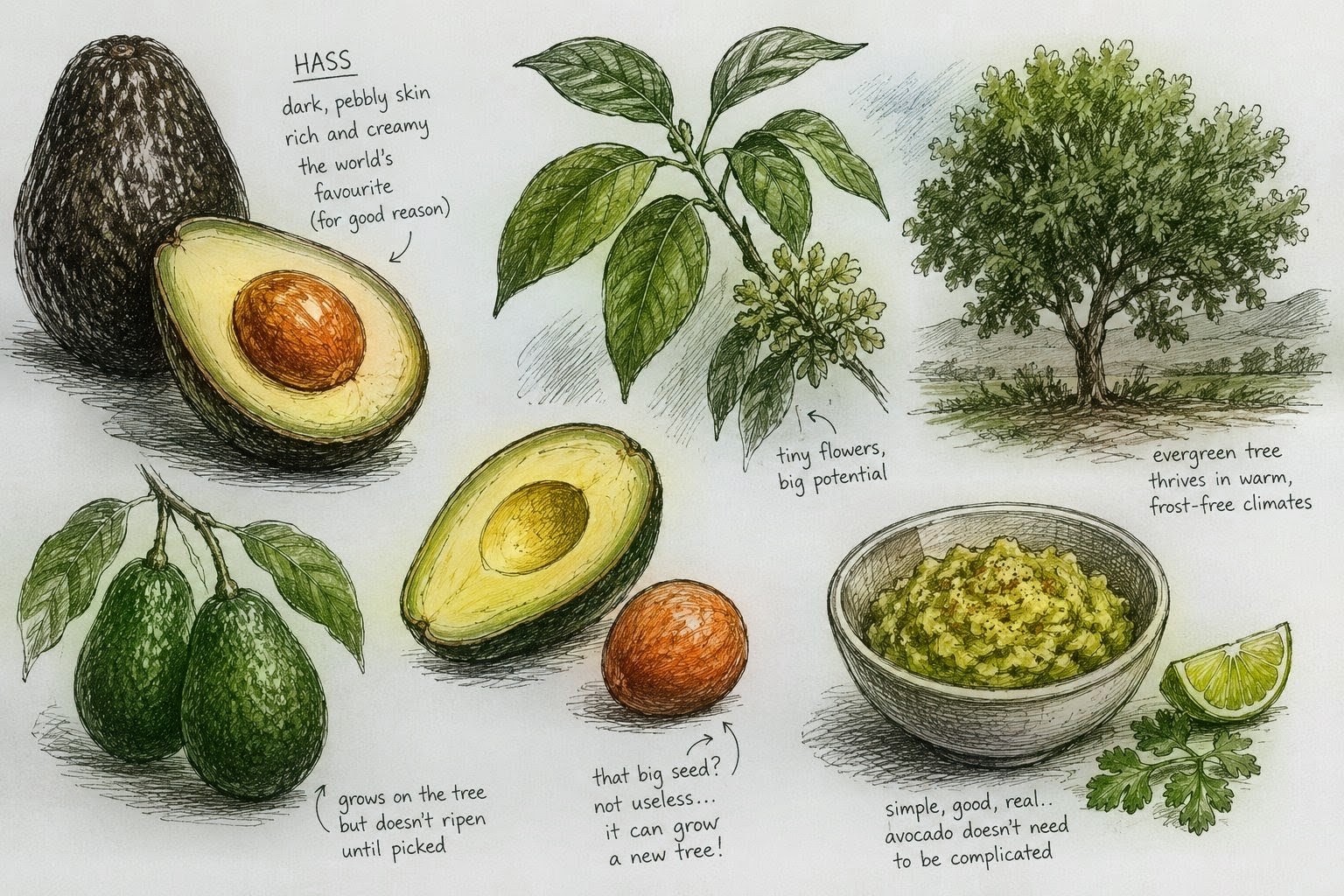
Rich, buttery and subtly nutty with a grassy finish. Because of their high fat content, avocados act as a neutral canvas that carries other bold flavours like lime, chilli and salt.
A bright balance of sugar and acid. Oranges range from floral and delicate to sharp and tangy, depending on the variety. The aromatic oils in the skin provide a fragrant, slightly bitter contrast to the sweet juice.
Sweet, floral, and subtly spicy. They have a mellow acidity compared to apples and a unique, slightly grainy texture that feels elegant rather than crunchy.
A balance of bright sweetness and sharp acidity. Strawberries offer a floral sweetness, blueberries are earthy and mild, while raspberries and blackberries bring a tart, punchy tang.
A punchy balance of bright sweetness and sharp acidity. It has a complex, tropical aroma with distinct floral and caramel notes when ripe.
Explosively sweet, slightly floral and deeply tropical. Depending on the variety, you might get hits of peach, citrus or even a resinous, pine-like edge.
Chillies range from fruity and grassy to smoky and earthy. Of course, they also carry the heat of capsaicin, which isn't a taste but a physical sensation of burning.
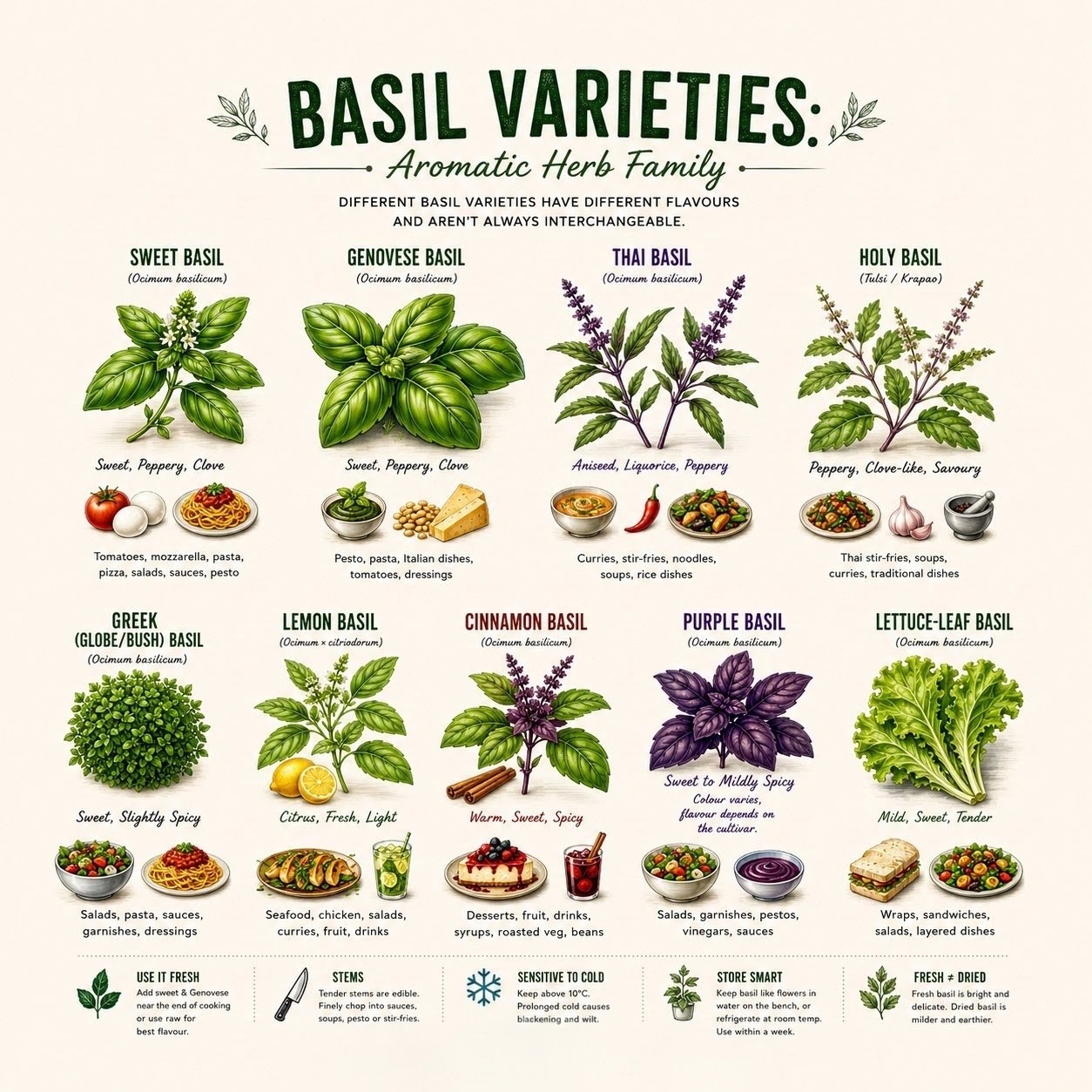
Basil is a family of aromatic herbs rather than one single flavour. Different varieties contain different balances of natural aromatic compounds, giving flavours that range from sweet and floral to peppery, clove-like, citrusy or aniseed-like.
Bright, citrusic and floral. It has a cooling quality that cuts right through rich meats and heavy spices.
Intense, woody and resinous. It has a sharp, needle-like aroma with notes of pine, evergreen, citrus and a slight minty finish.
Earthy, minty and slightly floral with a subtle peppery finish. It has a warming quality that bridges the gap between savoury herbs and sweet spices.
Clean, peppery, and slightly earthy with a hint of citrus. It doesn't scream for attention, but it helps other flavours wake up. It provides a grassy freshness that cuts through rich, fatty dishes.
Bold, peppery, and slightly bitter. It has a warming, camphor-like quality that cuts through heavy fats. It is the definitive 'savoury' herb.
Intensely aromatic with notes of camphor, pine, and eucalyptus. It has a slightly bitter, peppery edge and a depth that can be described as woody or earthy. It is a bold herb that holds its own against heavy, rich ingredients.
Cool, peppery and intensely aromatic. It has a unique ability to provide a "clean" sensation on the palate. Spearmint is the standard culinary choice for its sweetness, while peppermint is more aggressive and better suited for teas or sweets.
Fresh, grassy, and slightly citrusy with a subtle hint of aniseed. It has a unique 'clean' sharpness that cuts through rich, fatty foods beautifully.
Warm, woody, and intensely aromatic. It has a natural sweetness that tricks the brain, even though there is no actual sugar in it. It can be citrusy and delicate or spicy and bold depending on the variety.
Warm, woody, and intensely aromatic.
Sharp, peppery and citrusy with an unmistakable pungent heat. It provides a warm, zingy bite that clears the palate. Raw ginger is aggressive and spicy, while cooked or dried ginger becomes more mellow and woody.
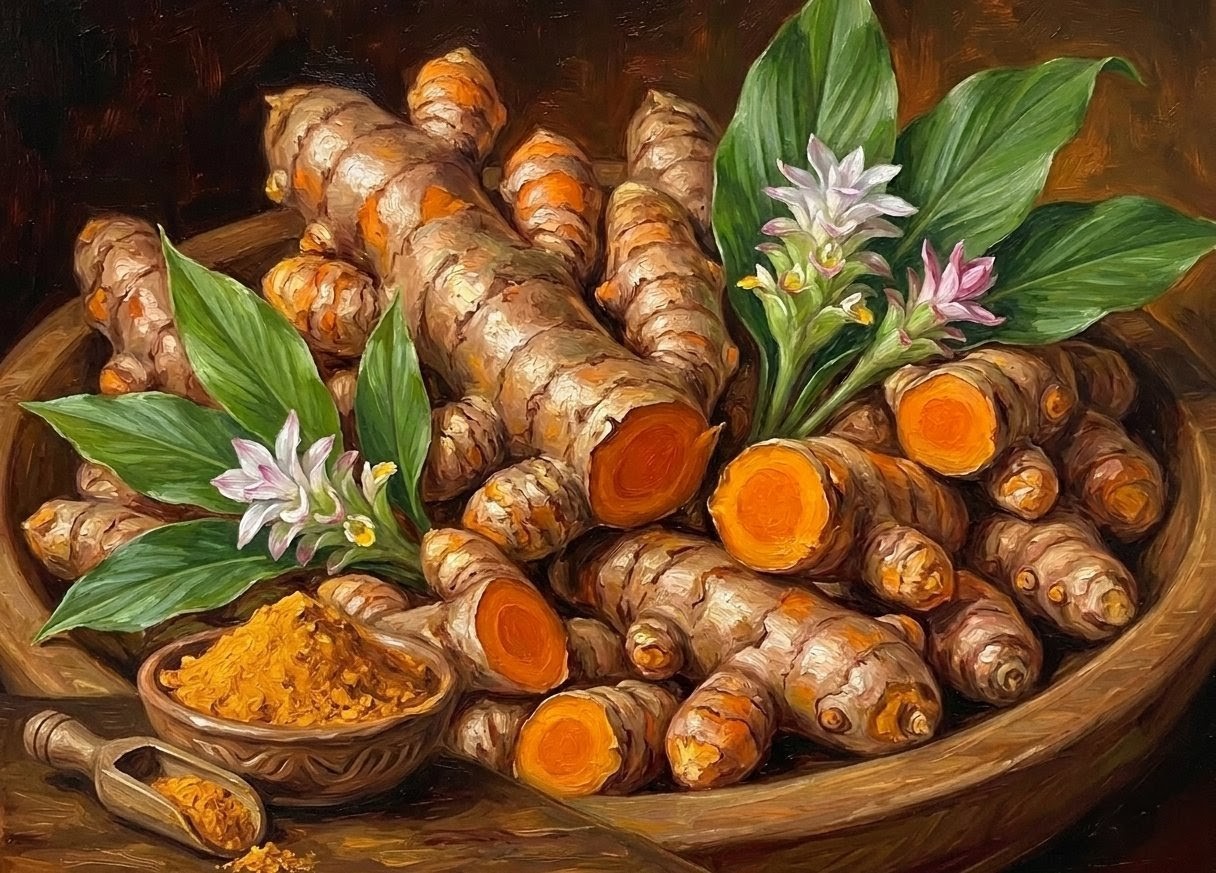
Earthy, peppery and a wee bit bitter, with a warm mustard-like heat in the background.

Yolk is rich, buttery, almost savoury-sweet. White is clean and barely-there on its own — basically protein and water until heat or whisking gives it a job to do.
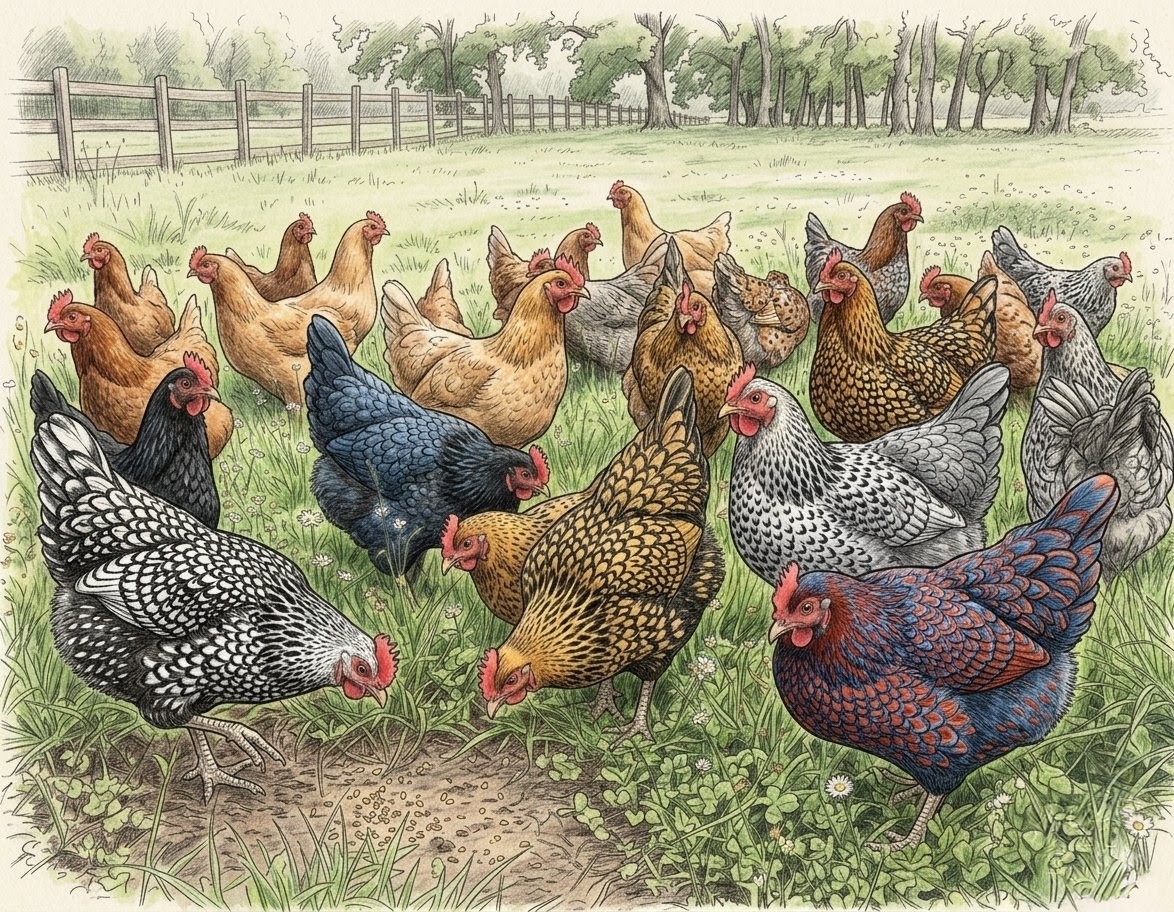
Mild, savoury and adaptable.

Rich, savoury and deeply meaty.

Mild, slightly sweet and savoury.
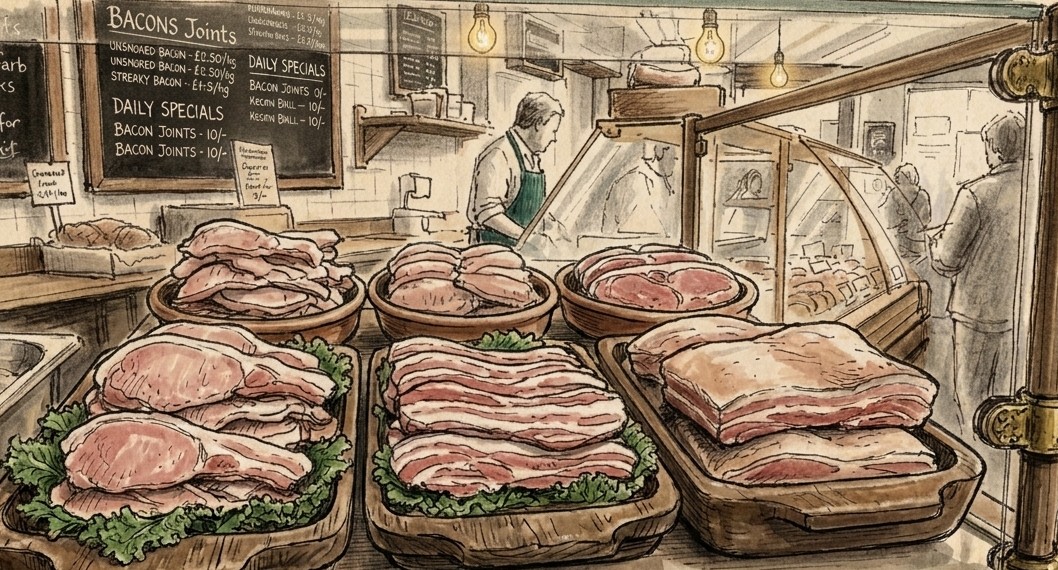
Salty, smoky, savoury and rich.
Intensely salty, briny and packed with concentrated umami. On their own, they are a punch in the face. When cooked down, they provide a deep, savoury foundation that anchors other flavours without tasting like 'fish'.

Rich, oily, and mildly sweet. Unlike white fish, salmon has a distinctively savoury and buttery depth that stands up to strong seasonings.
Meaty, rich and clean. It lacks the "fishiness" of oily fish like sardines, offering a dense texture and a mild, savoury finish.
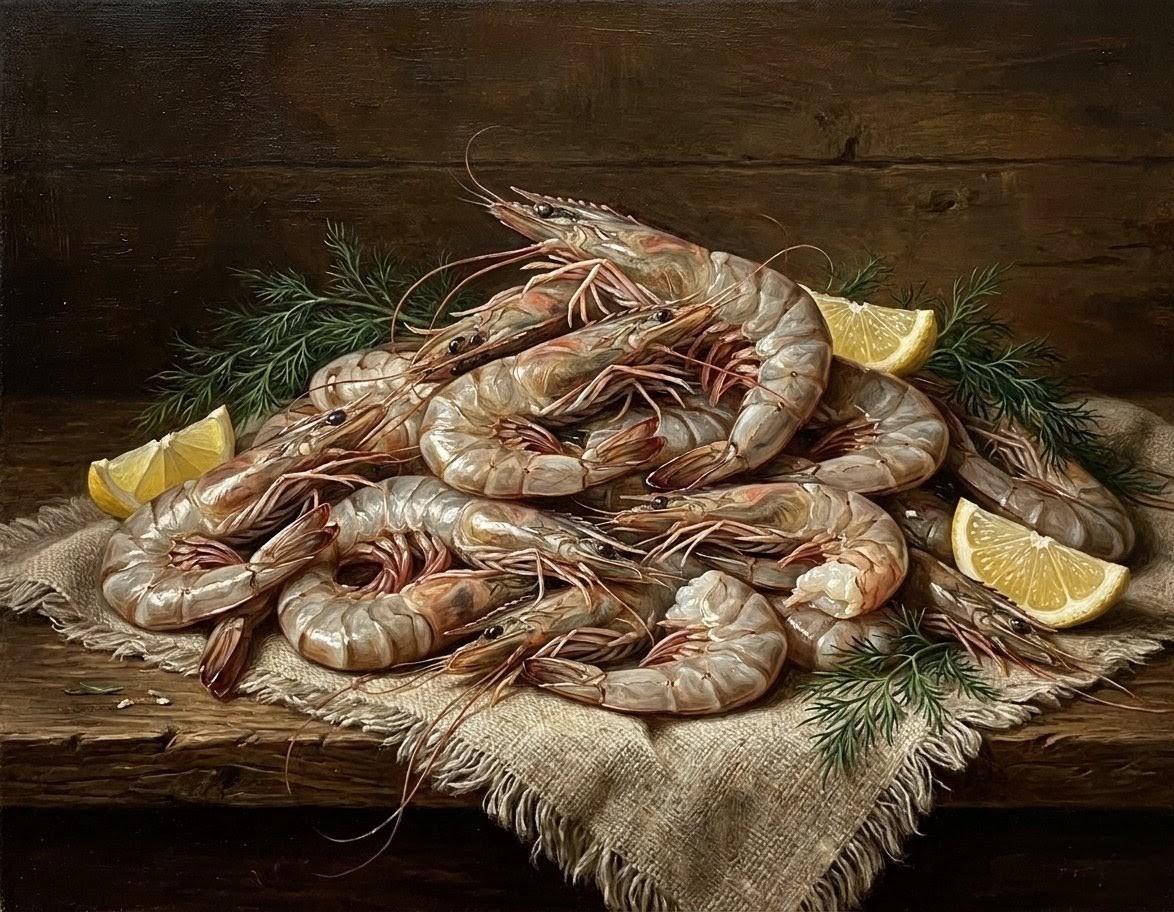
Sweet, mild and briny. Prawns have a distinct snap when cooked correctly and a clean, savoury finish that carries bold spices and citrus exceptionally well.
Mild, delicate and slightly sweet. White fish isn't there to dominate; it's there to carry other flavours.
Briny, sweet and deeply savoury with a firm but tender texture. They have a cleaner, more mineral taste than oysters and a richer, meatier bite than clams.
Briny, metallic and intensely fresh. They taste like the specific patch of ocean they came from.
Mild, slightly sweet, and decidedly savoury. It is a clean-tasting seafood that acts as a canvas for bolder flavours like chilli, lemon, and garlic. The texture is the star—it should be tender with a slight, satisfying snap.
Sweet, delicate, and briny. White meat is lean and subtle, while the brown meat found in the body is rich, buttery, and intensely savoury.
Bold, oily and intensely savoury. Sardines have a deep oceanic richness that is more meaty than flaky white fish.
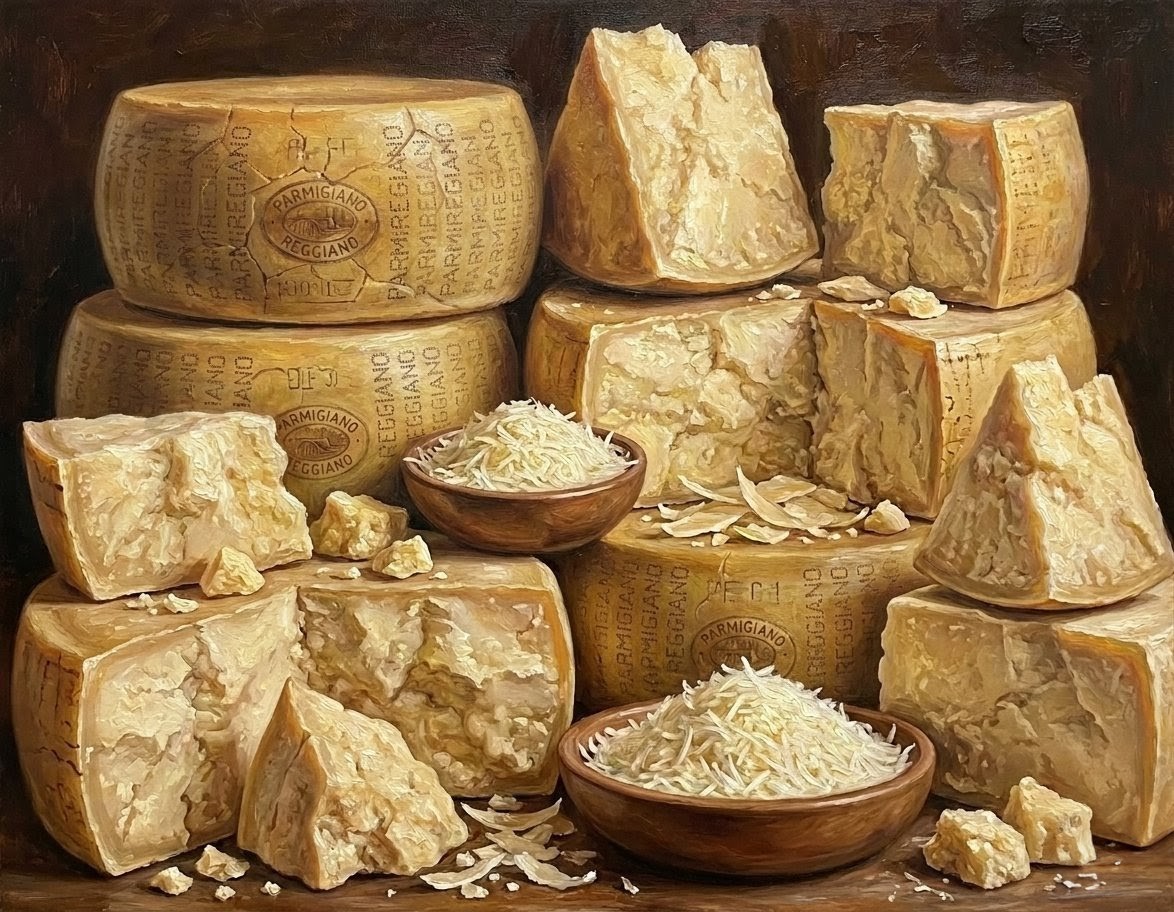
Sharp, salty, and intensely nutty. It delivers a massive hit of umami with a slightly grainy texture.
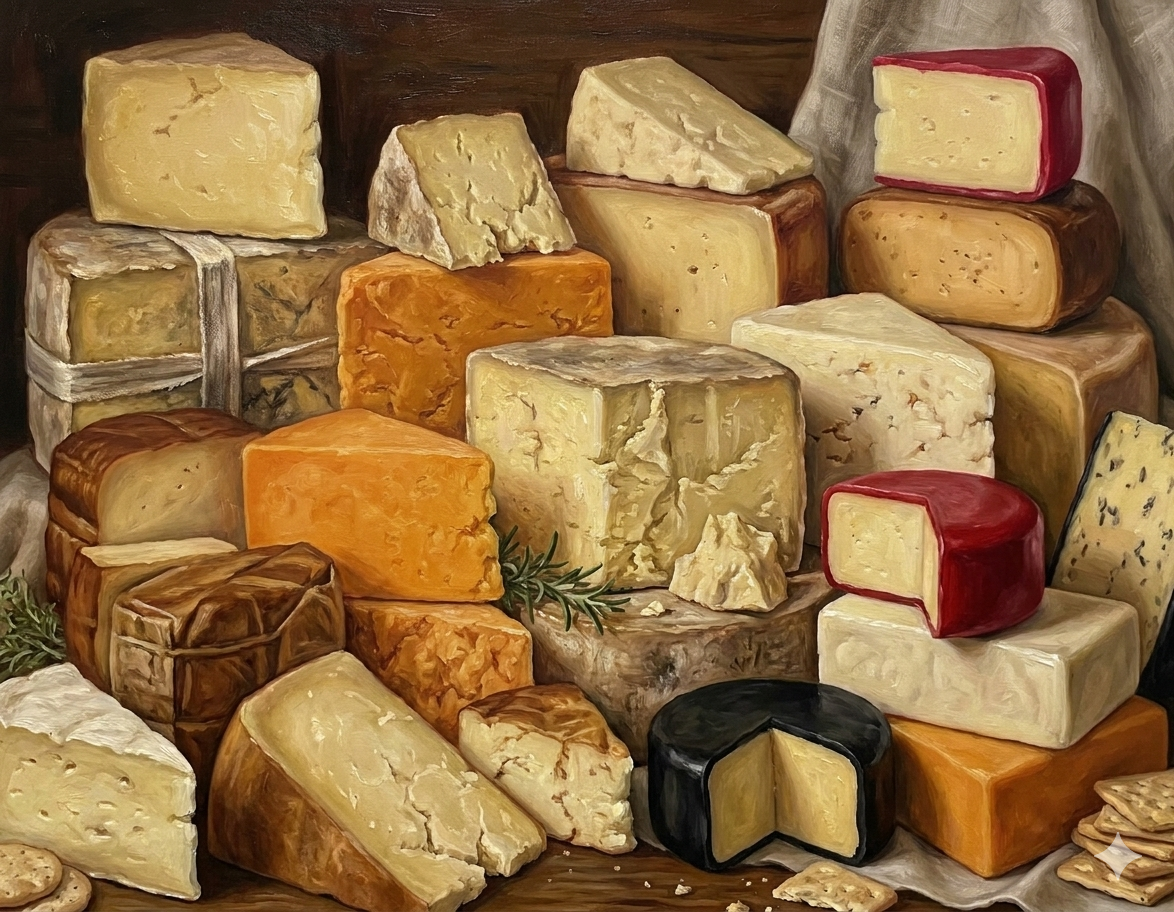
Rich, nutty and distinctly sharp.
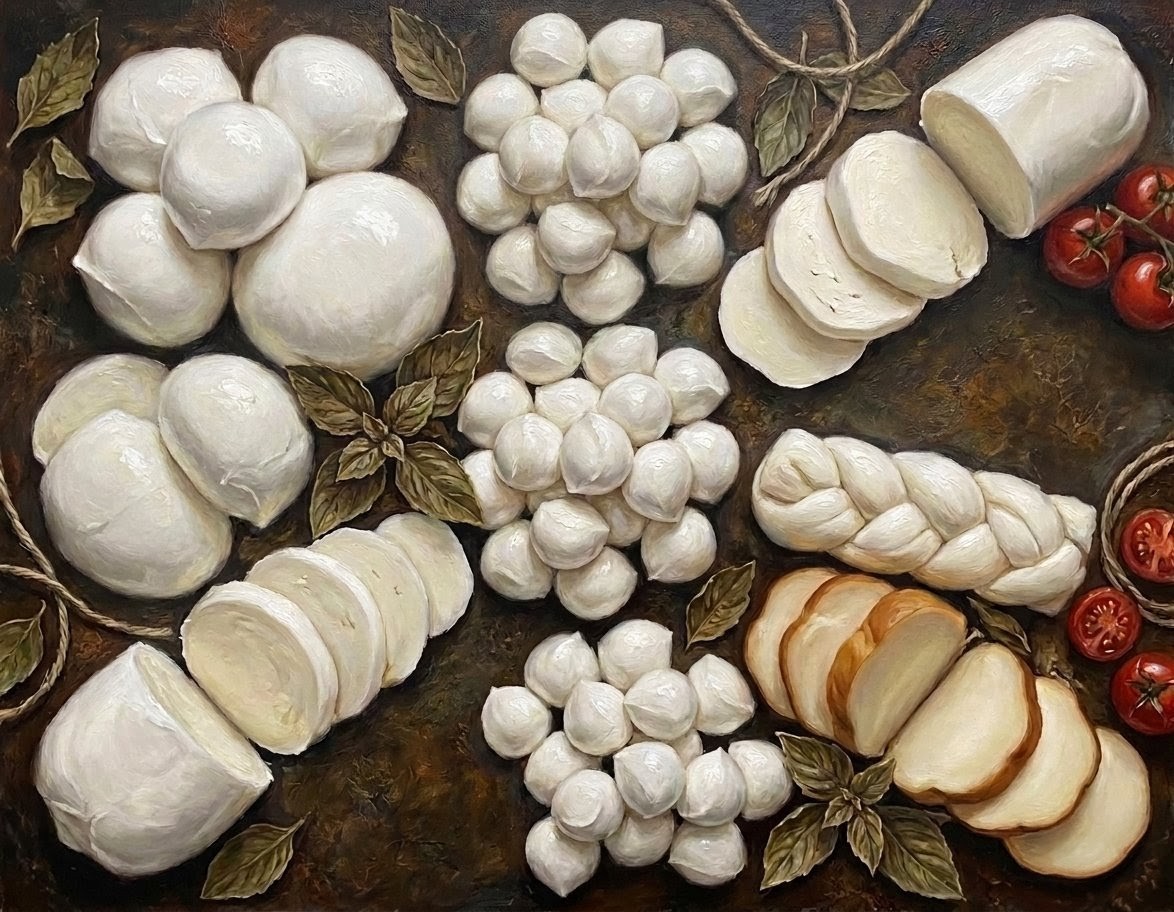
Mild, milky and clean. Fresh mozzarella is soft and bouncy with a delicate floral tang. It is the polite guest of the cheese world—it does not hog the spotlight, it just makes everyone else look better.
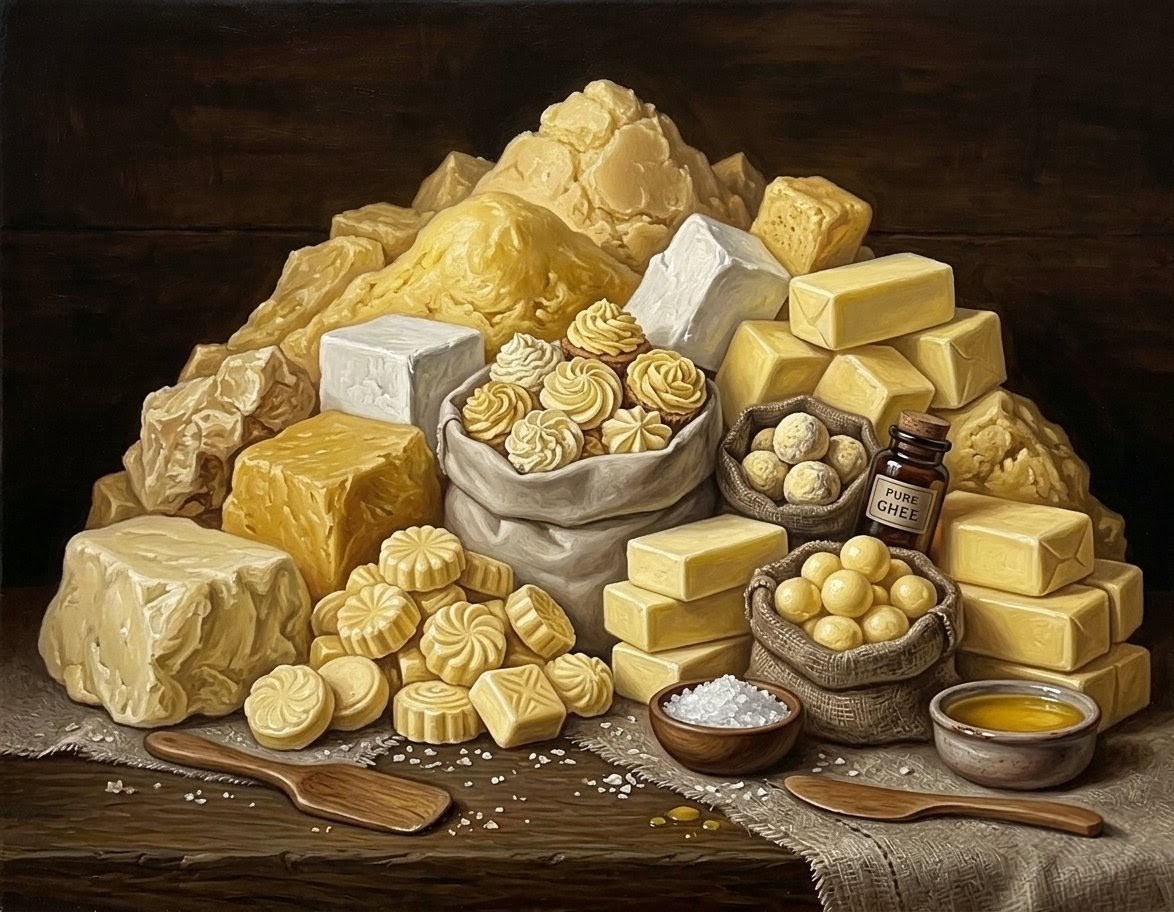
Rich, creamy and unbeatably indulgent. Butter provides a fatty mouthfeel that carries other flavours across the palate.
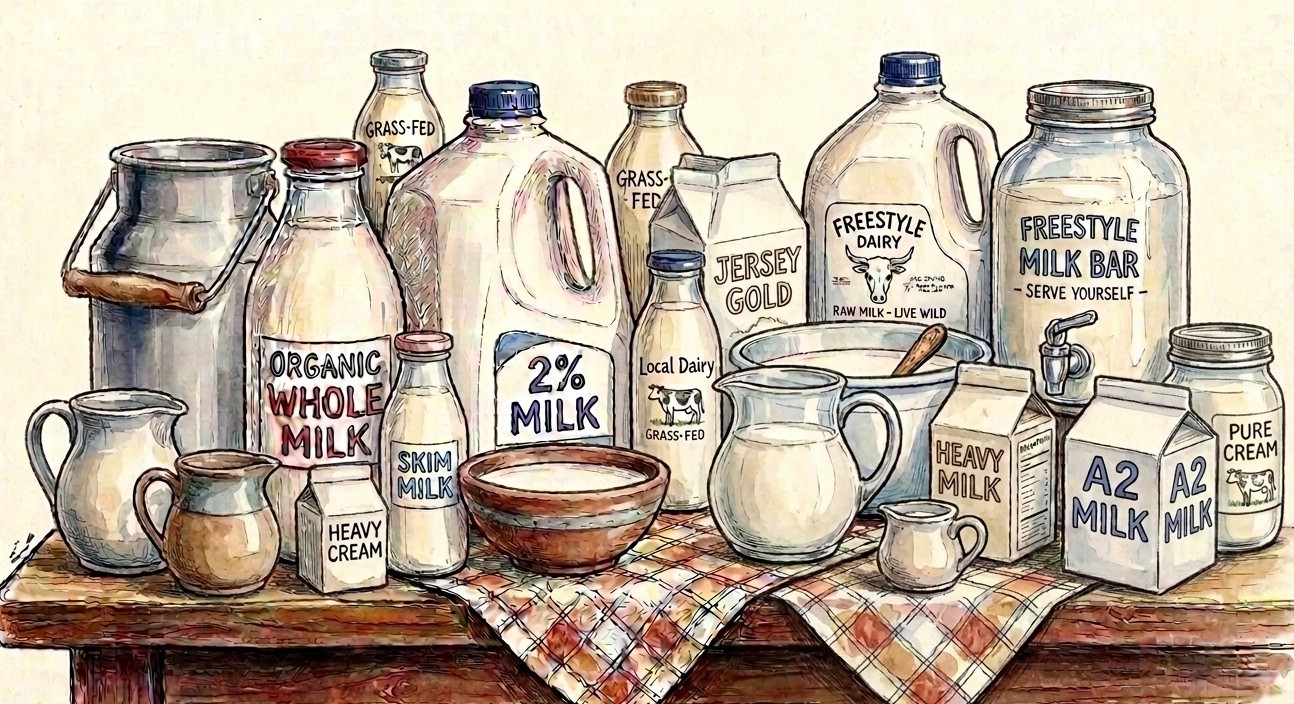
Creamy, slightly sweet and neutral. It has a subtle richness that rounds out bitter or acidic flavours in coffee and sauces.
Cool, creamy, and distinctively tart. It has a sharp acidity developed through fermentation that cuts through rich, fatty foods.
Rich, milky and subtly sweet. It has a heavy, luxurious mouthfeel that coats the palate and carries other flavours beautifully.
Sharp, salty, and tangy with a rich, creamy finish. Depending on the ratio of sheep to goat milk, it can range from mild and buttery to punchy and acidic. It has a distinctively crumbly texture that softens but never quite melts away.
Intense, salty, tangy and sharp. Depending on the variety, it can range from buttery and sweet to spicy and pungent.
Rich, buttery and creamy with a mild, earthy undertone. Depending on the age, you’ll get notes of sautéed mushrooms and a slight hint of grass.
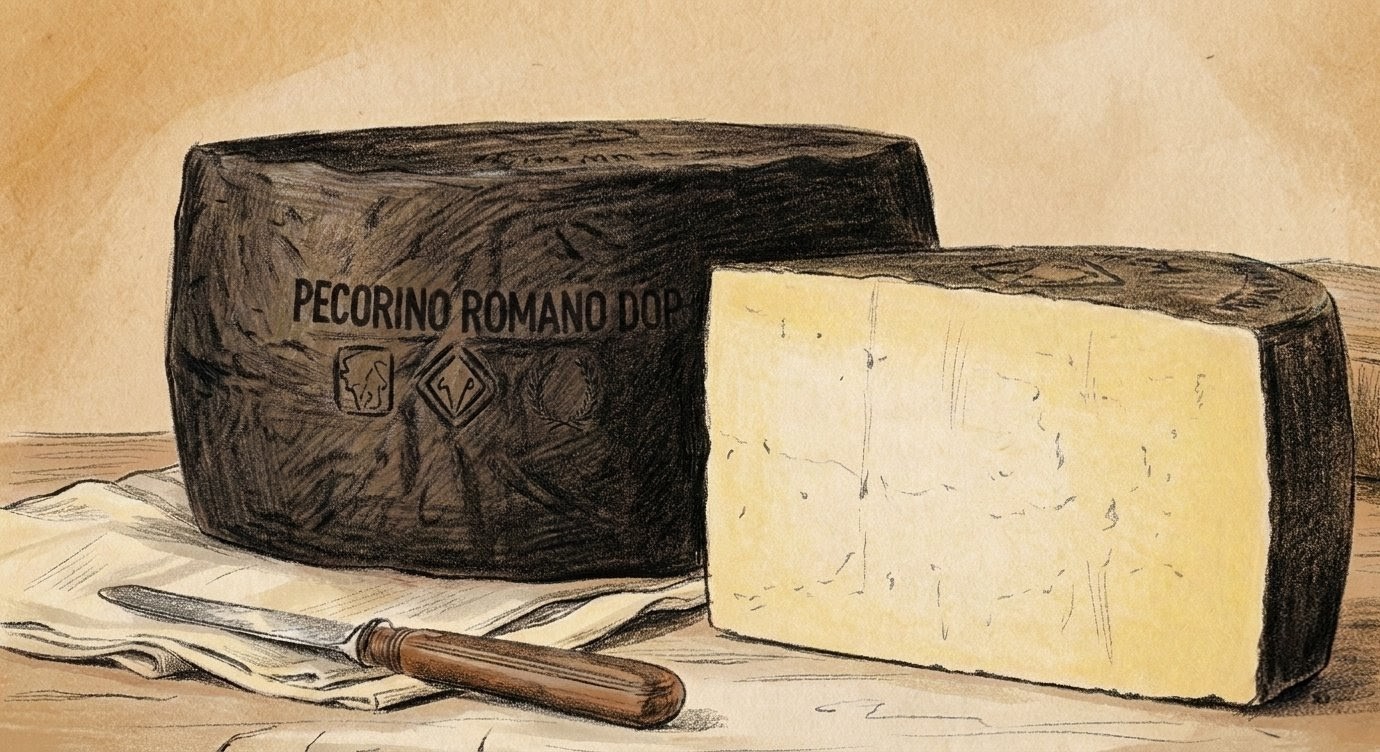
Sharp, salty, and unapologetically punchy. Made from sheep's milk, it carries a tangy, almost gamey edge that cow's milk cheeses just can't match.
Young Gouda is mild, buttery, and slightly sweet, with a smooth, springy texture.
Mild, slightly salty, and a touch nutty. Less assertive than Gouda, with a firmer, drier bite.
Provolone dolce (young) is mild, milky, and smooth, with a gentle tang.
Mild, buttery, and creamy, with a gentle tang. One of the most easy-going cheeses around.
Earthy, mushroomy, and buttery, with a soft white rind that adds a slightly tangy edge.
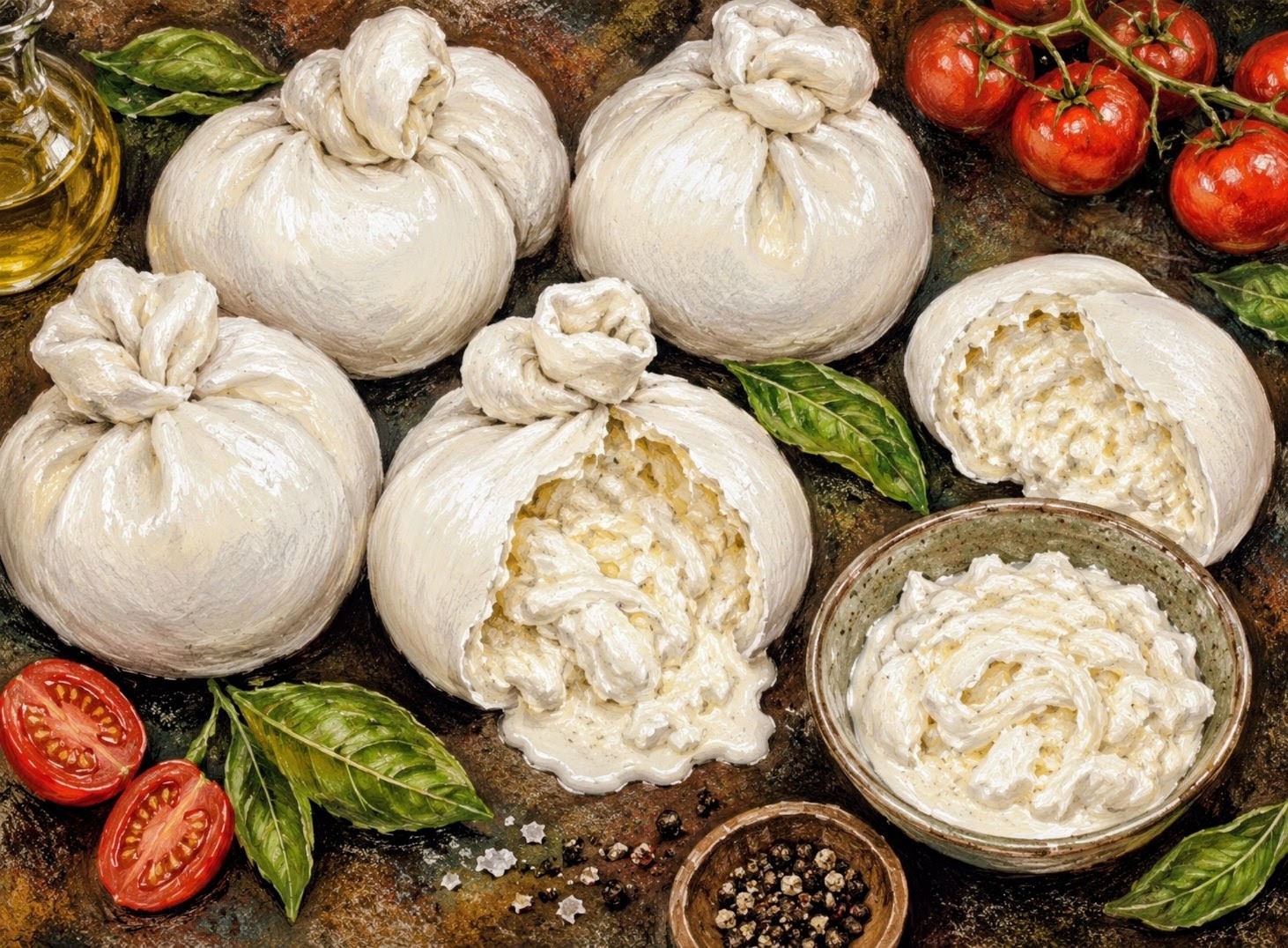
A pouch of fresh stretched curd filled with stracciatella, shredded stretched curd mixed with cream. The outside is mild and milky, while the centre is soft, rich and creamy.
Mild, milky, and faintly sweet, with a soft, fluffy texture. Almost no sharpness, no tang.
Rich, sweet, and impossibly smooth, like double cream that's been thickened into a cheese.
Mild, tangy, and smooth, with a clean dairy flavour and a slight lemony edge.
Salty, milky, and slightly tangy, with a squeaky, springy texture when fresh.
Nutty, sweet, and earthy, with a creamy texture and a slight saltiness.
Mild, sweet, and slightly nutty, with a smooth, supple texture and the famous large holes.
Complex, nutty, and deeply savoury, with notes of brown butter, toasted hazelnuts, and a hint of fruit.
Rich, nutty, and slightly funky, with a buttery texture and a meaty depth.
Gorgonzola dolce is creamy, mild, and almost sweet, with gentle blue veining.
Sharp, tangy, and intensely salty, with a creamy, crumbly texture and deep blue-green veins.
Rich, creamy, and tangy, with a complex flavour that balances saltiness, sharpness, and a mellow nuttiness.
Buttery, nutty, and slightly tangy, with a firm, slightly crumbly texture.
Pungent, fruity, and tangy on the outside, mild and creamy on the inside.
Mildly nutty with a buttery, creamy texture once cooked. They have an earthy undertone that works as a neutral canvas for bold spices and bright acids.
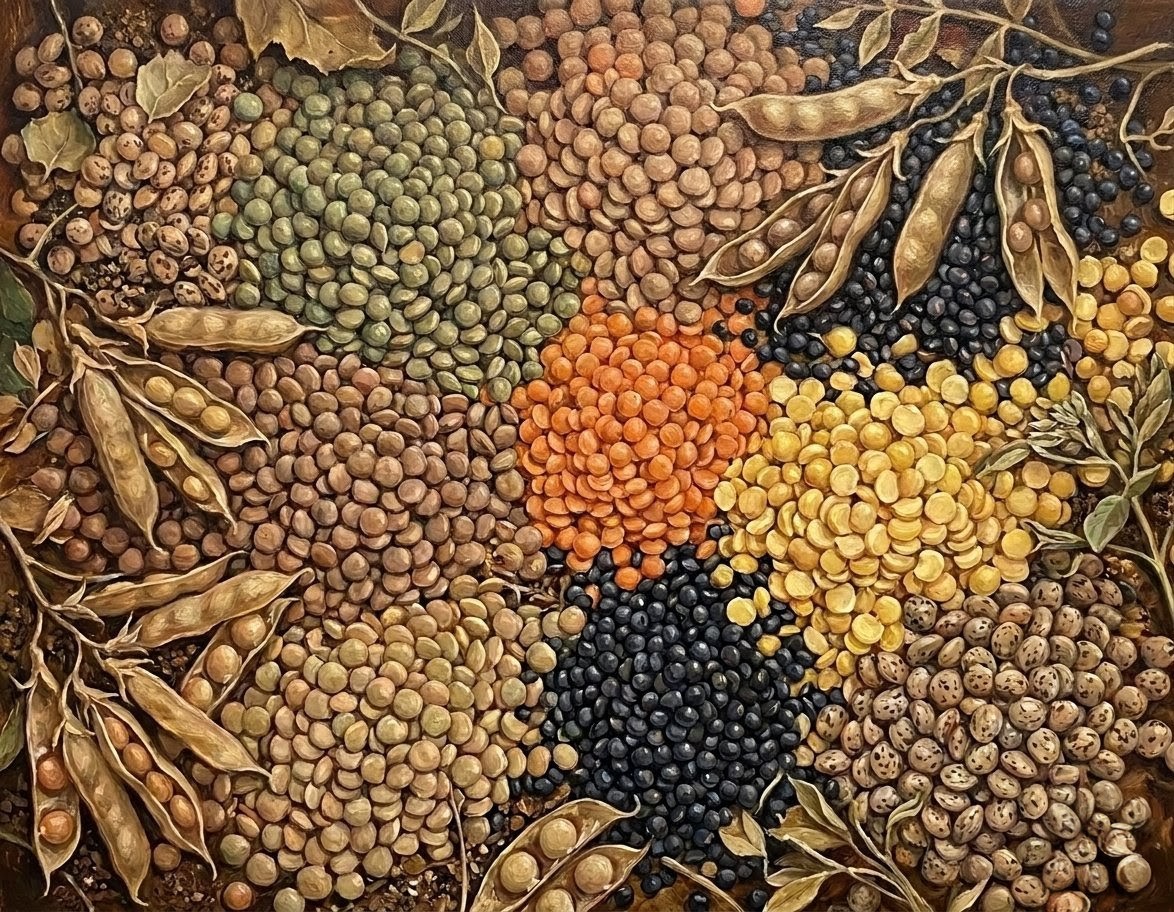
Earthy, nutty and mild. They are sponges for flavour.
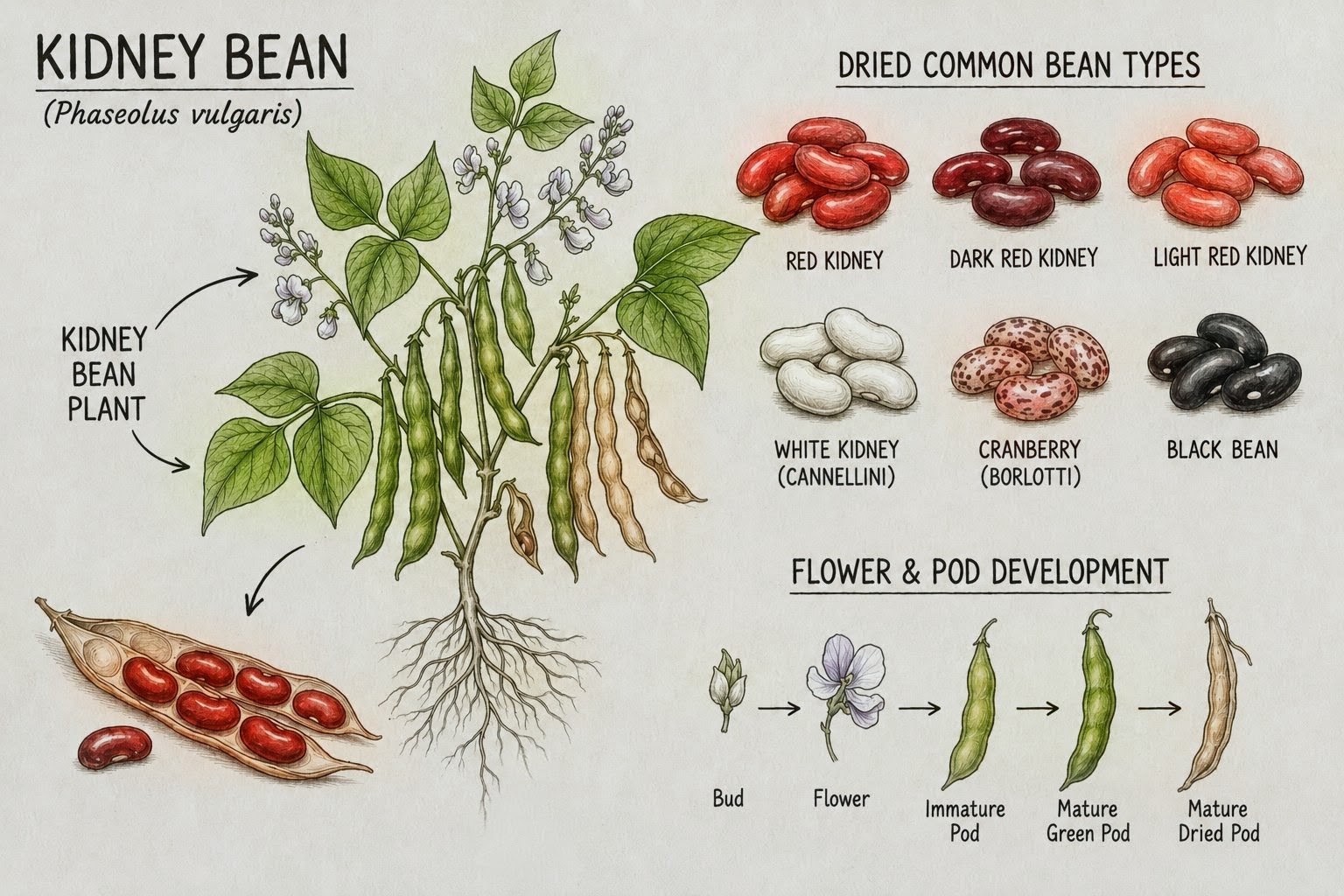
Deeply earthy with a mild sweetness. They have a dense, creamy interior once cooked and a slightly nutty finish.
Mild, earthy and slightly sweet. Their texture is what really shines—creamy and velvety on the inside with a firm, thin skin.
Bright, sweet and earthy. They have a distinct grassy freshness that cuts through rich, salty fats like bacon or heavy cream.
Rich, earthy, and slightly bitter. Beneath that tannic skin is a buttery, creamy nut with a mild sweetness.
Mildly sweet, nutty and earthy. When raw, they have a subtle floral note and a hard snap. When roasted, they develop a deep toasted aroma and a more brittle, crunchy texture.
Earthy, buttery and deeply savoury. Raw peanuts taste a bit like garden peas, but once roasted, they develop a complex, toasted sweetness and a rich, oily mouthfeel.
Buttery, rich and mildly sweet. Cashews have a softer, more delicate crunch than almonds or walnuts, with a finish that feels fatty and satisfying on the tongue.
Mild, nutty and slightly sweet when raw. Once toasted, they become deeply savoury and rich with a hint of bitterness.
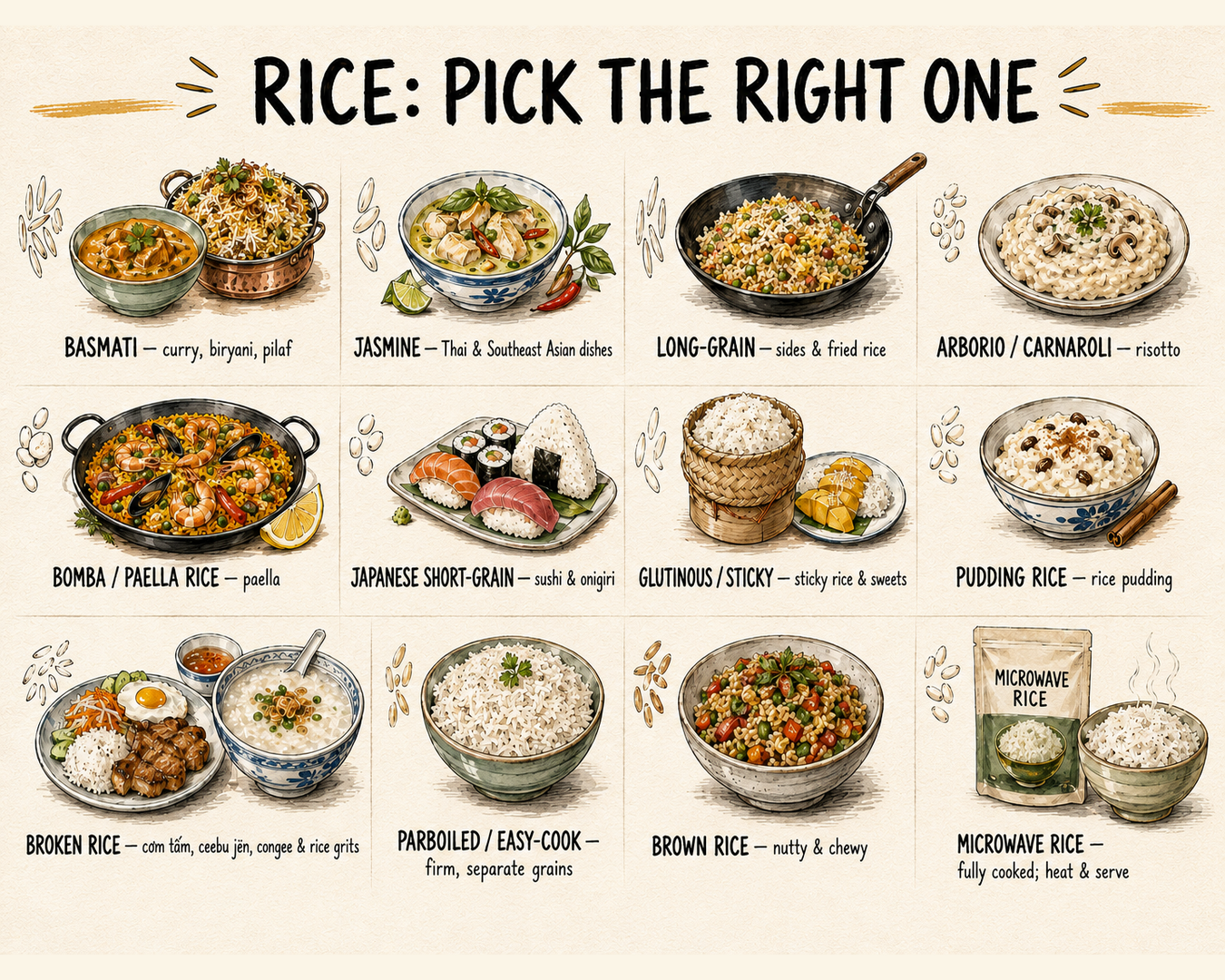
Neutral, mild and gently nutty. Rice is a blank canvas that carries salt, fat, acidity, spice and whatever sauce you throw at it.
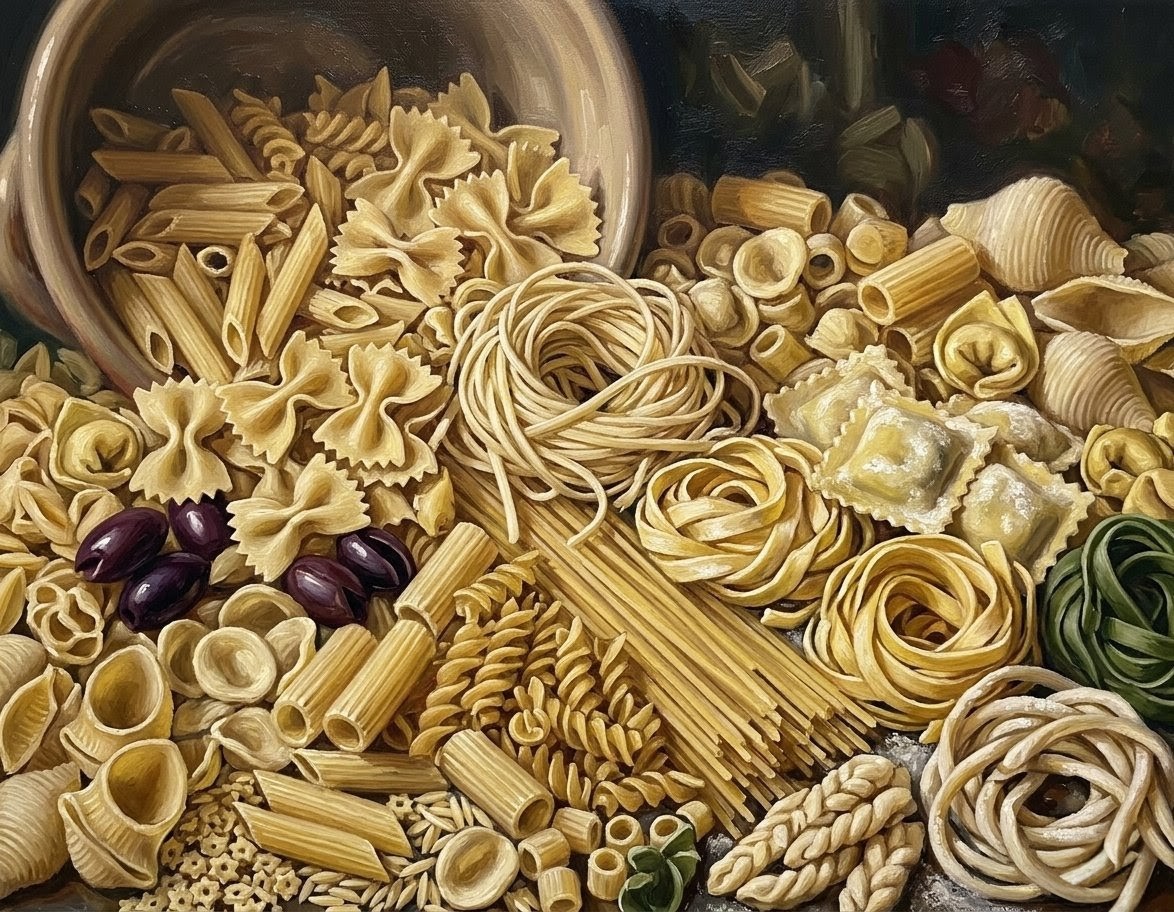
Mild, nutty, and earthy. It is the ultimate blank canvas. Dry pasta is more about texture and structure, while fresh egg pasta brings a richer, silkier, and more buttery flavour to the table.
The flavour of bread depends entirely on the grain and the fermentation. It ranges from neutral and milky in a white loaf to nutty, earthy, and distinctly tangy in a long-fermented sourdough.
Mild, nutty, and slightly sweet, but mostly neutral. Raw flour tastes dusty and chalky.
Neutral and starchy. It has very little taste of its own, which makes it the perfect silent partner in a recipe. It provides body and texture without masking the flavours of your other ingredients.
Mild, nutty and slightly toasted. Oats are a blank canvas. They have an earthy sweetness that plays well with salt, sugar, fats and acids.
Mild, nutty and slightly sweet. Because it is essentially tiny bits of pasta, it is a neutral canvas designed to soak up the fats, acids and spices of whatever it is served with.
Mild, nutty and slightly earthy. It has a distinctive "pop" when you bite into it.
Mild, nutty, and slightly sweet. It has a chewy, satisfying texture that holds its shape even after long simmering. It is less about dominant flavour and more about providing a comforting, earthy foundation for other ingredients.
Toasty, carby and neutral. They take on whatever seasoning you throw at them.
Intensely sweet with a complex floral depth. Depending on the flowers the bees visited, you might taste notes of citrus, lavender, eucalyptus or even smoky caramel.
Pure sweetness. High-quality white sugar should be neutral, providing a clean lift without any aftertaste.
Deep, mellow and earthy. It tastes like caramelised sugar and toasted nuts with a distinct hit of liquorice.
Deeply sweet with distinct notes of caramel, vanilla, and toasted wood. There is a subtle earthiness and a slight hint of smoke that prevents it from being one-dimensionally sugary.
Deeply complex. Depending on the origin, you'll find notes of red fruit, toasted nuts, earth, tobacco, or even citrus.
Deeply bitter, earthy, and complex. Pure cocoa is surprisingly fruity and floral, with a dry finish that can strip the moisture from your tongue if you taste it raw.
Floral, woody and incredibly complex. While we associate it with sweetness, vanilla itself is quite bitter. It acts more like a perfume for your food, enhancing other flavours and making sweet things taste even sweeter.
Salty, obviously. But its real job isn't to make food taste like salt; it’s to make everything else taste more like itself. It reduces our perception of bitterness and enhances our perception of sweetness.
Sharp, spicy and surprisingly floral. It provides a dry heat that hits the back of the throat rather than the tip of the tongue. Depending on the variety, you might pick up notes of citrus, pine or fermented musk.
A spectrum of green and gold. Depending on the olive variety, it can taste like freshly cut grass, green tomatoes, artichokes, or buttery nuts.
Sharp, acidic and bright. Depending on the base—be it grape, apple or grain—it can range from harshly sour to deeply sweet and fruity.
Deep, complex and syrupy. It balances intense sweetness with a sharp, vinegary bite. You will pick up notes of oak, cherry, and dried fruits like figs or raisins.
Sharp, tart and fruity. It has a much softer edge than white distilled vinegar and a more complex, fermented depth than lemon juice.
Salt, fermented funk and a massive hit of umami. It is liquid seasoning that adds a dark, savoury bass note to whatever it touches.
Pungent, salty, and incredibly savoury. On its own, the smell is aggressive and the taste is sharp. Once cooked or diluted, it mellows into a rich, earthy funk that provides a massive hit of umami. It acts as a volume knob for other flavours.
A complex, funky explosion of salty, sour and sweet.
Sharp, pungent and spicy. It provides a unique nasal heat that cuts through fat and balances rich, heavy flavours. Depending on the variety, it can range from mellow and sweet to sinus-clearingly hot.
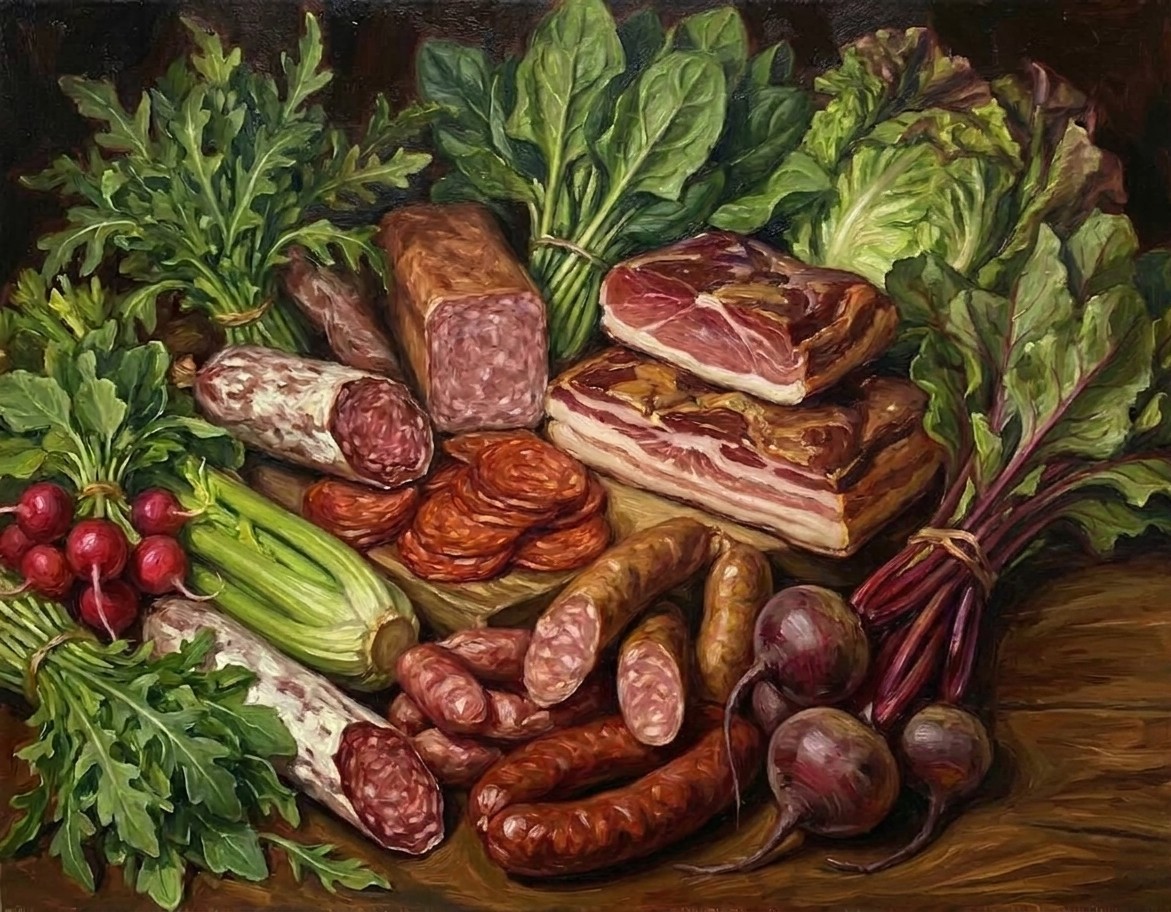
Your body doesn't check whether nitrite came from celery powder or a curing salt. It only sees nitrite.
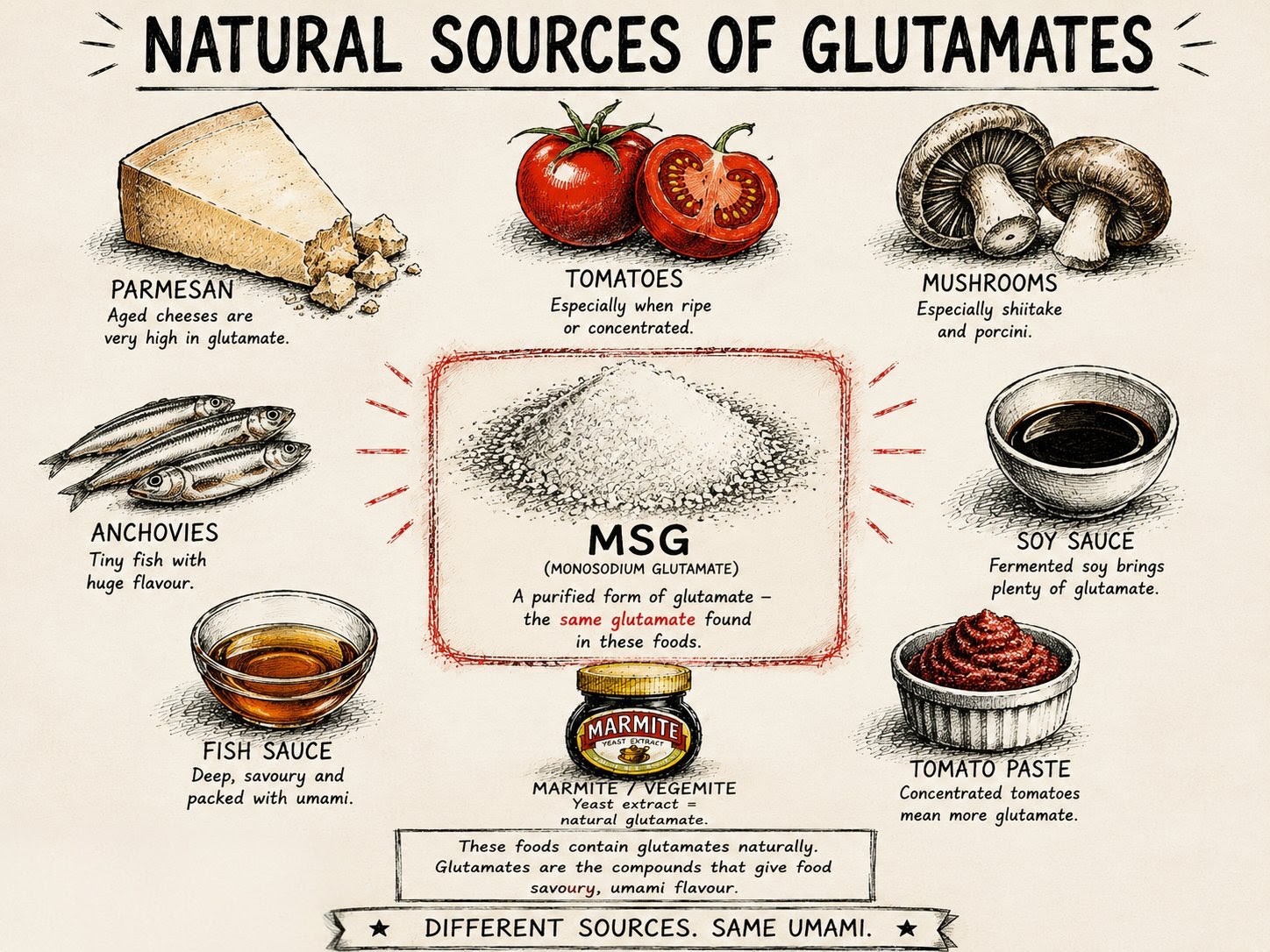
MSG delivers pure umami — the deep, meaty, mouth-filling savouriness that makes soups taste like they've simmered for hours and roast meats taste more like themselves. On its own it is faintly salty, slightly meaty, and almost sweet. In food, it doesn't add a new flavour — it amplifies the savoury flavours already there.