
Chicken
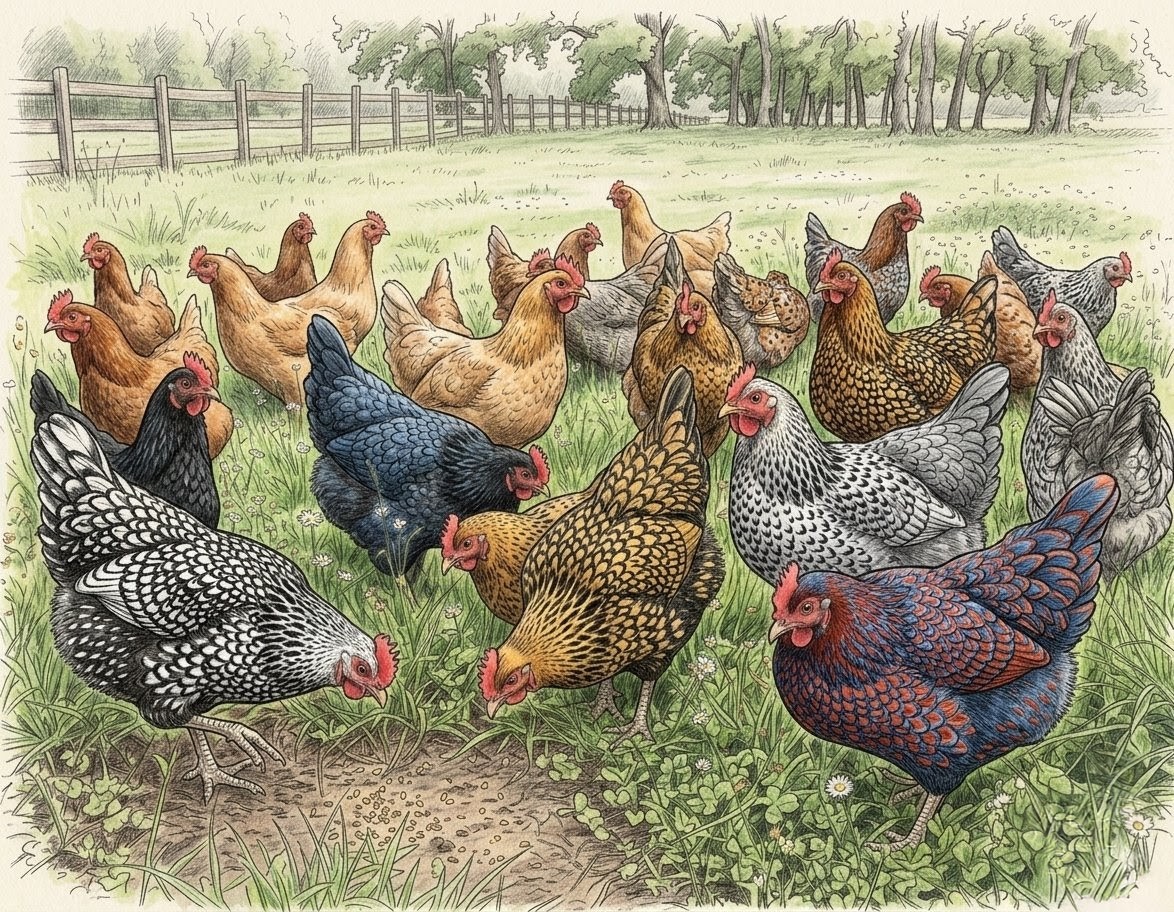
Flavour Profile
Mild, savoury and adaptable.
Health Benefits
Chicken gives you complete, high-quality protein for muscle repair, maintenance and keeping you fuller for longer. It also brings niacin and vitamin B6 for energy metabolism, vitamin B12 for red blood cells and the nervous system, plus selenium and phosphorus.
Breast is leaner and gives you more protein for the calories. Thigh carries more fat, iron and zinc, along with more flavour.
Chicken is only as lean as what you do to it. Skin, crumb, frying and heavy sauces can change the numbers quickly.
Buying Tips
Look for intact packaging and a use-by date that suits your plans.
Barn-raised and free-range chicken can taste very similar. The price difference is often about how the bird was raised, not a guaranteed flavour upgrade. If welfare matters to you, check the standard behind the label rather than assuming “free-range” tells the whole story.
Check the ingredient list on marinated or pre-seasoned chicken. Added water, salt and flavourings can make a cheap shortcut look better value than it really is.
Storage
Keep raw chicken sealed on the lowest fridge shelf, away from ready-to-eat food.
Use it by the date on the pack or freeze it while it is still fresh. Thaw frozen chicken slowly in the fridge, never on the kitchen bench, and do not wash raw chicken.
Cooking Uses
Breast suits quick cooking but dries out fast. Thighs and drumsticks handle longer cooking and stronger flavours, while wings need enough time for the fat to render and the skin to crisp.
Match the cut to the method instead of cooking every piece the same way. Use temperature rather than guesswork, and let the chicken rest before slicing or carving.
Forkin Food Theory
Most dry chicken isn't bad chicken.
It's overcooked chicken.
Temperature matters more than marinades.
Wild & Wonderful
Growth rate, breed, feed and age all affect how chicken eats.
Fast-growing supermarket birds are bred for efficiency and tend to produce softer, milder meat. Slower-growing breeds are usually older when processed and can have a firmer texture and deeper flavour.
Free-range, organic and slow-grown are not the same thing. Free-range refers to outdoor access. Organic follows a production standard. Slow-grown refers to the bird’s growth rate. The exact rules vary by country, so none of those labels automatically guarantees better flavour.
Some chicken is sold with added water or brine. That does not apply to every supermarket bird, so check the ingredient list rather than assuming.
Breast is leaner and less forgiving. Thigh carries more fat and flavour and handles longer cooking better.
Yellow skin comes mainly from pigments in the bird’s feed, often from corn or maize. It is not a sign of freshness.